
How To Use QR Codes in Your Marketing Campaigns

Shreesh
Last updated: April 6, 2026
17 min read
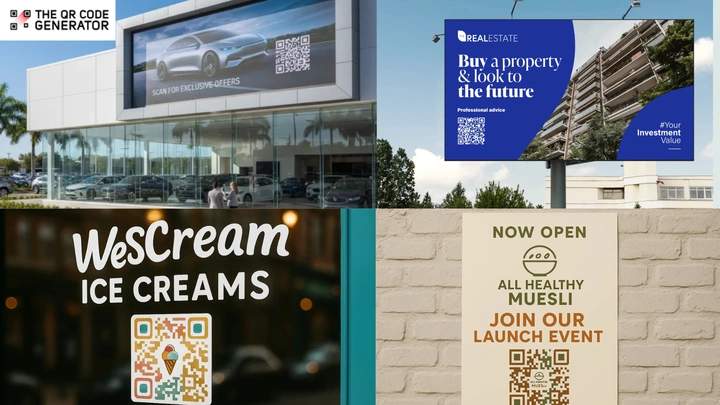
In Roald Dahl’s Charlie and the Chocolate Factory, Willy Wonka tucks five golden tickets inside ordinary chocolate bars. Anyone who finds these tickets enjoys exclusive entry into his mysterious and wonderful chocolate factory.
If you’re a marketer who wants to build marketing campaigns as fascinating as Willy’s chocolate factory, QR Codes can be the golden ticket to use. Put them on flyers, newspaper ads, or your landing pages, and watch people fly in to engage with your marketing material.
However, as magical as it sounds, using QR Codes to drive effective marketing campaigns isn’t child’s play. It requires planning and strategy to transform a simple scan into results that drive meaningful change.
This article walks you through exactly how to do that. You’ll learn why QR Codes matter for marketing, how to use them in your marketing campaigns, and tips and tricks to bring the best results.
How can QR Codes transform your marketing campaign?
A marketing campaign is a coordinated series of promotional efforts to achieve a clear goal, such as launching a new product, raising brand awareness, or simply increasing sales.
Since every campaign depends on getting people to act, QR Codes make that action effortless. Instead of typing long URLs or viewing ads, people can scan a code and instantly view a signup page or product demo.
But that’s not all. Here are several other reasons why QR Codes are indispensable for modern marketing campaigns.
Turn offline engagement into measurable attribution
One of your biggest challenges as a marketer is connecting what happens in the physical world to real business results. QR Codes help you turn every print ad, product package, and storefront display into a trackable touchpoint you can measure, just like your digital channels.
When you place QR Codes across different locations, you can get instant answers to questions like: Is our subway ad performing better than our airport campaign? Or which store location brings the most signups? This kind of granular attribution helps you allocate budget more confidently and double down on what’s working while cutting what isn’t.
Optimize campaigns in real time with dynamic content
Traditional print marketing locks you into whatever message, offer, or landing page you committed to at press time. If your promotion dunks or circumstances change, you’re stuck waiting for the next print run.
With dynamic QR Codes, however, you can change the destination they redirect to without changing the code itself. This means you can test different headlines, tweak underperforming offers, or even redirect traffic based on inventory levels.
Alternatively, if you notice a QR Code getting plenty of scans but few conversions, you can instantly test a new landing page design or a more compelling discount.
Getting people to participate in promotions can be cumbersome: customers must remember a URL, discount code, or your brand name, then visit the website later, find the right page, and so on. Each of these steps acts as a friction point. QR Codes, on the other hand, collapse all these steps into a single, immediate action. This is best for time-sensitive offers, limited-quantity giveaways, or charitable campaigns.
Moreover, it works. Juniper Research had projected that QR Code coupon redemptions would surge to 5.3 billion by 2022, representing a fourfold increase from 1.3 billion in 2017.
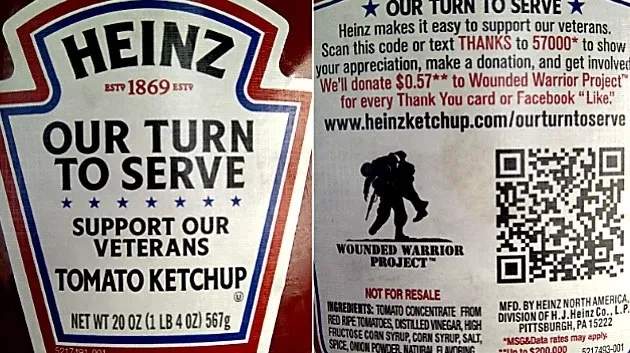
Take Heinz as an example. They used QR Codes on ketchup bottles in their Our Turn to Serve campaign. Diners could scan the code, send a thank-you note to veterans, and trigger a donation to the Wounded Warrior Project, where Heinz pledged up to $200,000 in support.
This way, Heinz was able to generate thousands of interactions that might never have happened if people had to remember to visit a website later.
Build compliant first-party data pipelines
QR Codes offer a natural, consensual way to collect first-party data from people who are already interested in what you provide in your marketing campaign. This is because when someone scans your QR Code, they are also raising their hand and expressing interest. This allows you to collect emails, preferences, or engagement data with explicit consent.
Moreover, because scanning QR Codes routes people to your own landing pages and forms, the data enters your systems without relying on any third-party tracking.
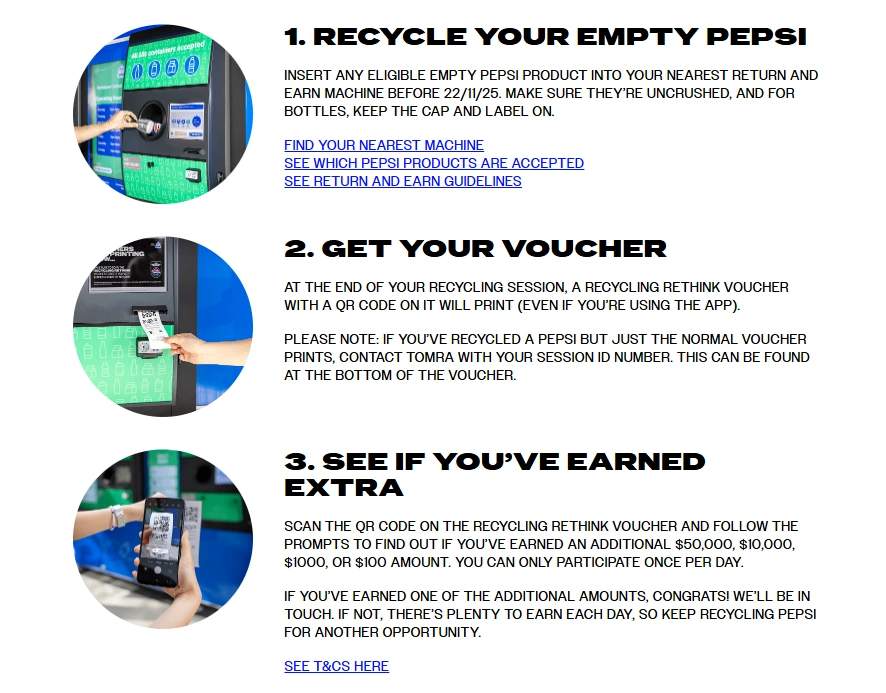
Take Pepsi, for example. It has run scan-and-win campaigns where people scan codes on packs or vouchers, then enter their details to see if they have earned cash or rewards. This way, the company made data collection an exciting, rewarding experience without invading anyone’s privacy.
Enrich product and on-site experiences
QR Codes can transform static touchpoints into rich, interactive experiences that strengthen your brand’s connection with customers.
They are so effective at this because they meet customers where they already are (in your store, holding your product, or visiting your location) and enhance that moment with content they couldn’t access otherwise.
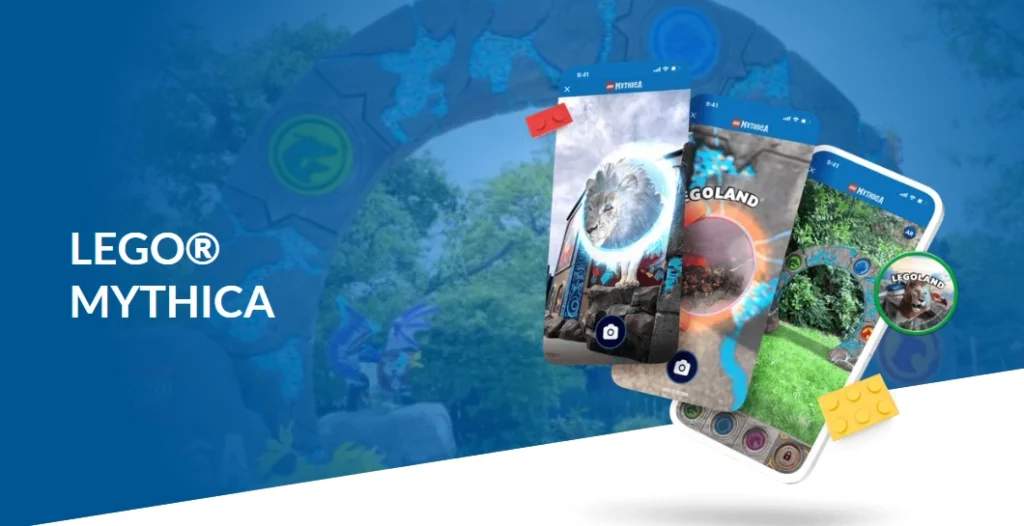
At LEGOLAND Windsor, you can scan custom QR Codes on large LEGO Mythica statues to unlock augmented reality creatures and portals in the park app, where guests spend more than two and a half minutes on average. These extended interactions also mean guests are more likely to return and share their experience with friends and family.
QR Codes are also used on equipment to provide instructional videos and troubleshooting tips. Similarly, kitchen and bath consultants link QR Codes to 3D showroom tours, making it easy for clients to explore options instantly.
How to use QR Codes for different campaign goals
Each marketing campaign has a specific job to do. Some exist to build awareness or improve in-store engagement, while others may push a promo or nurture existing customers.
For your QR Code marketing campaign to be effective, the codes must align with your campaign’s goal. Once you start matching intent to experience, your campaigns feel more coherent, and your numbers begin to make sense.
Let’s walk through what a QR Code strategy across the funnel looks like.
Awareness campaigns
Awareness campaigns aim to get your brand noticed and make sure it stays top of mind. QR Codes can support that by turning a glance at an ad or product into a short, low-effort digital interaction that reinforces your message.
For this stage, dynamic URL QR Codes usually work best. Using them, you can send people to lightweight landing pages, videos, or interactive hubs that load quickly on mobile and stay tightly connected to the creative they just saw. The more direct the link between the ad promise and the post scan experience, the better, because dropping people on a generic homepage weakens that early brand moment.
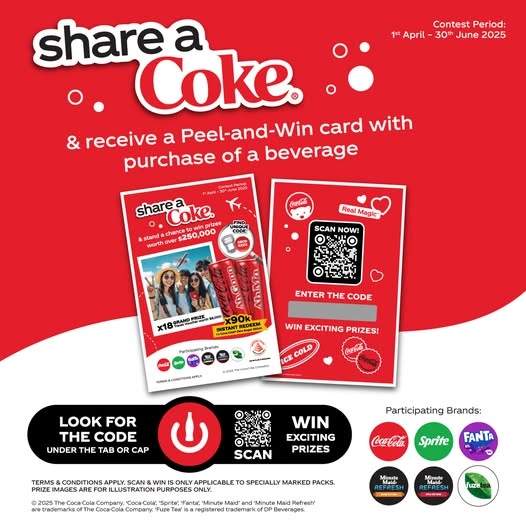
Coca-Cola’s “Share a Coke” campaigns are a good reference point. Here, on-pack QR Codes act as gateways to a digital hub where people can win prizes, personalize cans, and create Memory Maker videos to share with friends. A quick scan turns an ordinary bottle into a small media channel that extends the brand story by a few more minutes. That is precisely what you want from your awareness activity.
Another example is Zales’ “Let Them Look” campaign. They used QR Codes in pause-ads on streaming TV to give viewers a simple way to act while they paused content. The campaign generated a 276% increase in QR Code scans compared to previous, larger-budgeted campaigns and converted engagement into measurable revenue, with directly attributable purchases from QR Code scans.
ZEISS also showed just how powerful QR Codes can be with their “See and Be Seen More Clearly” print campaign in The Times of India. Their ad utilized a QR Code to transform a regular newspaper page into an interactive experience: scanning the code opened a short video that illustrated how poor lenses — not your eyes — cause blur, and then introduced their new DuraVision GoldUV lenses.
With these examples in mind, some of the best places to use awareness-focused QR Codes include:
- Outdoor and transit ads where people have a few seconds at a bus stop or in a queue
- Product packaging that sits in the hand for longer periods
- Event backdrops, stage panels, or sponsor walls
The metrics you track here follow a classic awareness model, with QR Code-specific signals added in. Your focus should be on impressions, scans, and softer engagement indicators, such as time on page or video completion.
Over time, this data reveals which creative choices, formats, and placements are most effective for boosting brand awareness for each QR Code you publish.
Engagement campaigns
Once someone already knows you, the job of marketing shifts from simple visibility to interaction. And QR Codes really lean into the engagement phase. They can quickly invite people to engage with your brand, such as playing a game, answering a question, unlocking content, or joining a community.
Dynamic QR Codes work perfectly here as well, but the destinations must be richer. Ideally, you should aim to make the scan feel like it unlocks something new that was previously unavailable.
For instance, you can work with quiz flows, spin-to-win mechanics, or AR layers on top of your product or venue. Rare Beauty’s interactive billboards allow passersby to scratch and experience the brand’s new fragrance directly on the street. Scanning the QR Code launches Shopify’s Shop app, where users can order a complimentary rollerball sample of Rare Eau de Parfum delivered to their home.
For QR Codes to power an engagement campaign, make sure to place them where people naturally have a bit more time and attention, like:
- In-store displays and shelves where people browse slowly
- Cups, trays, and table tents in food service, where dwell time is higher
- Event passes, wristbands, or lanyards that people carry around all day
At this stage in the funnel, measure how deeply people interact after scanning. Completion rates, time spent, number of entries, and social shares are some essential metrics to consider. They tell you how well your engagement campaigns are working.
Conversion campaigns
A conversion marketing campaign is designed to persuade people to take a specific action, such as signing up, making a purchase, or booking a demo.
QR Codes can power a conversion campaign by giving people an instant path from interest to action. For example, when viewers scan the QR Code, they should be directed to a signup form, checkout page, or demo scheduler.
For these QR Codes to work best, the copy should be clear, benefit-led, and action-driven. Inform people about what they can expect, what happens after the scan, and why they should consider it now.
Use simple cues such as “Scan to sign up,” “Scan to claim your discount,” or “Scan for instant access.” Add a light nudge, such as a QR Code for promotion or limited-time offer that takes less than a minute to reduce friction and encourage action.
Now, where to place these? Here are some options:
- Direct mailers and brochures that already target a warm audience
- Checkout counters, invoices, and receipts where people are in decision mode
From a performance perspective, these codes give you very clean feedback on the conversion rate per placement. Because each QR Code is unique and properly tagged, you can see which flyer, neighborhood, event, or in-store position actually drives revenue. Over time, you can double down on the channels and offers with the highest conversion rates.
Retention and loyalty campaigns
Retention is where QR Codes can become part of your customer relationship. Ideally, these codes make it easy for people to earn rewards, get support, leave feedback, and come back again.
Loyalty programs are the obvious use case. Starbucks Rewards, for instance, is built around scannable codes and app-based IDs that let customers earn stars, pay, and redeem in one smooth flow.
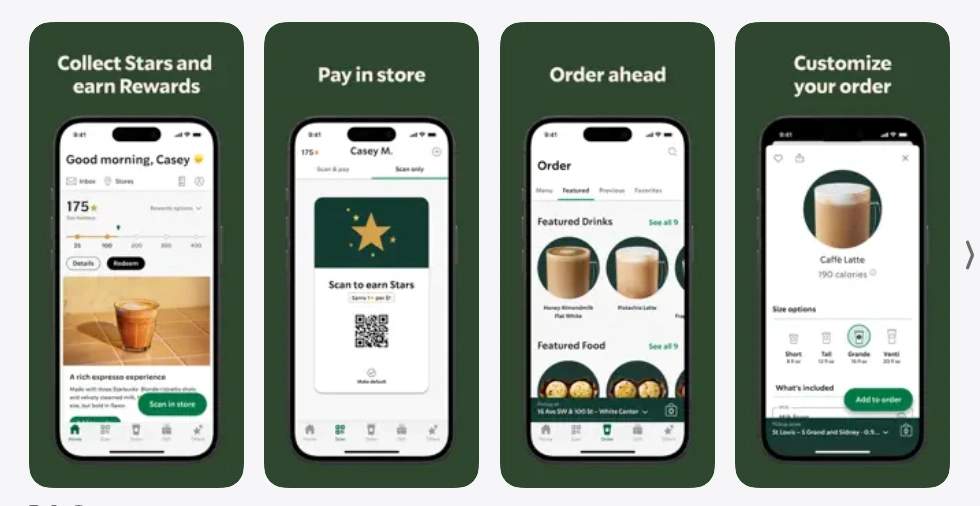
Customers learn that every visit and every scan gets them closer to something tangible, so they keep coming back.
You can use simpler versions of the same idea without a huge engineering team. A QR Code on packaging or a thank-you card can:
- Link to a feedback form with a small perk in return
- Take someone to a how-to guide or video tutorial that reduces support tickets
- Deep link into a re-order page with prefilled cart items
Over time, these codes generate a lot of useful behavior data. You notice which products get repeat scans, which content people keep returning to, and which customers are most engaged. Feeding that into your CRM gives you a more accurate picture of loyalty than an introductory open rate in email.
Let’s now discuss how you can create branded QR Codes that you can instantly start using for your marketing campaigns.
How to create a QR Code for your marketing campaign
So, you have your funnel ideas in place. Now you need QR Codes that support those goals instead of sitting quietly in the corner of your ad.
Here is a simple workflow you can follow, using The QR Code Generator as your base tool.
Step 1: Define the objective of your marketing campaign
Before you even begin creating QR Codes, define the objective of your campaign and what a successful scan means.
Are you trying to:
- Make more people discover your brand
- Get them to participate in something
- Push them toward a purchase or signup
- Nurture existing customers
This sets the direction for everything that follows, including your landing page, offer, placement, and even the copy around the code. Further, this objective will guide the types of QR Codes you choose, where you place them, and what you measure later.
Step 2: Sign in to The QR Code Generator (TQRCG)
Once your goal is clear, head to The QR Code Generator and sign up. It provides you with unlimited static QR Codes and two dynamic QR Codes on the free plan, which is more than enough to run your first real campaigns without risk.
On the dashboard, you can choose from a range of content types, including URLs, PDFs, app links, contact cards, and even links to forms or review pages.
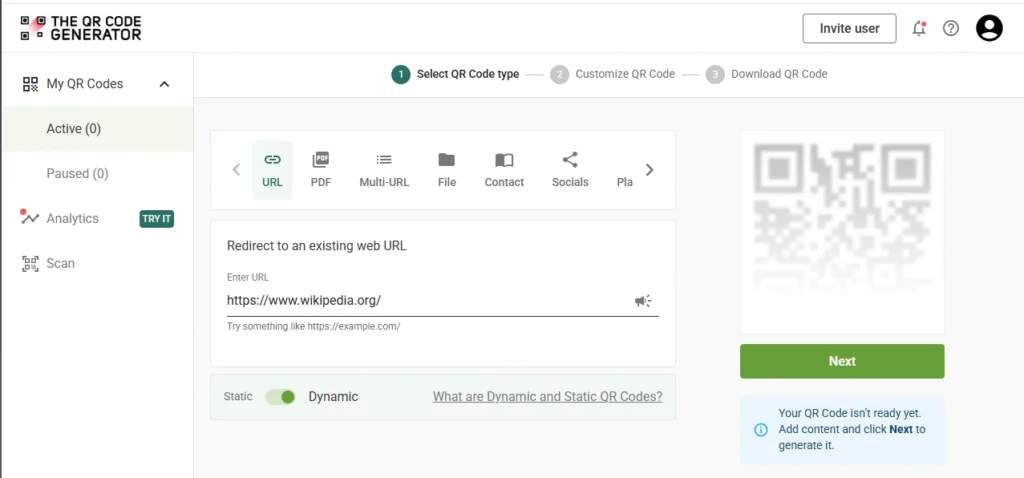
The Smart Selector automatically nudges you toward static or dynamic based on what you are creating. If you choose something that usually needs editing and tracking later, such as a URL or PDF, it recommends a dynamic code. For plain text or one-off details, it maintains a static approach, preventing the setup from becoming overly complicated.
This saves you from the classic mistake of printing static code when you actually need flexibility and analytics.
Step 3: Customize your QR Code
With the basics in place, you can begin designing. You can add your logo to QR Codes, use your brand colors, pick dot and eye patterns, and even add frames with a little call to action line.
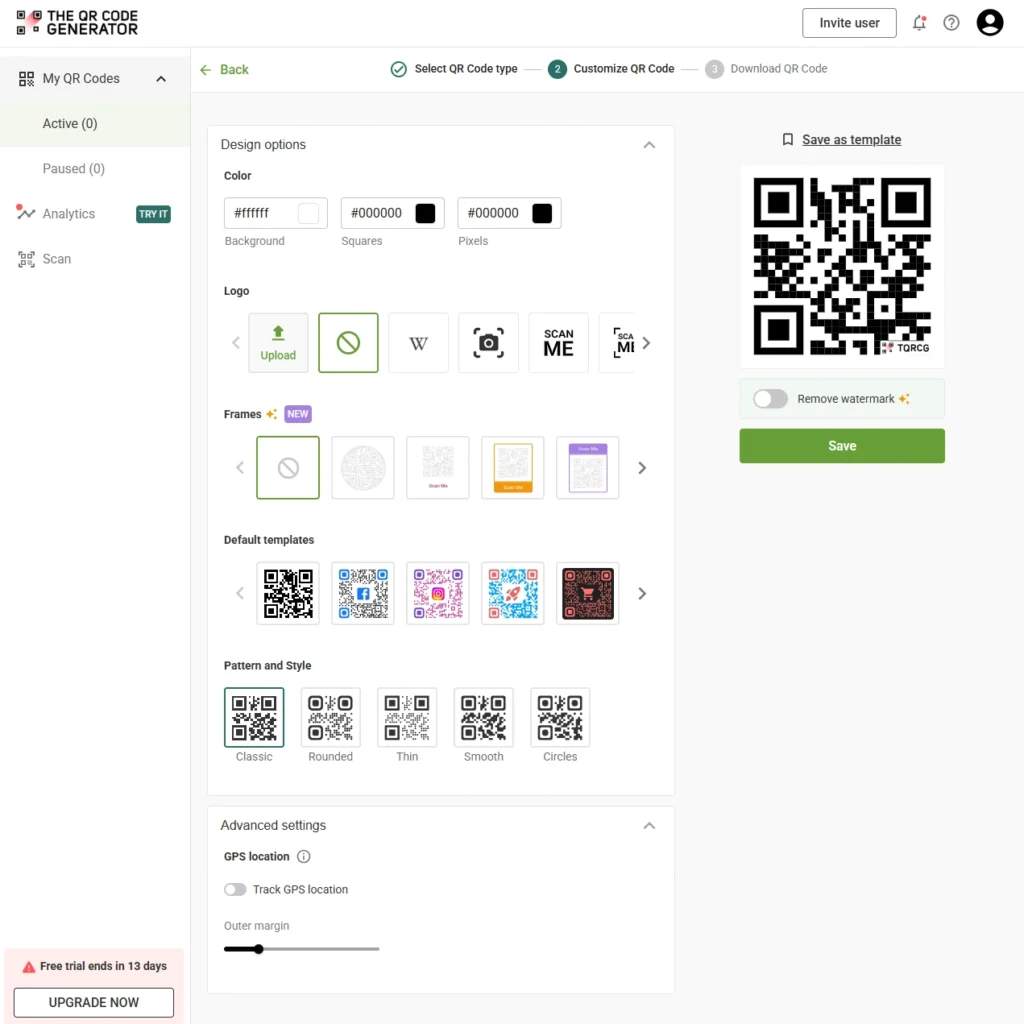
Regardless of the platform, these are a few QR Code design best practices I keep on a sticky note:
- Design for a strong contrast between code and background
- Keep a clean margin around the code
- Do not cover or distort the corner markers
- Use your own branded domain in the destination URL whenever possible for trust
- Avoid overdecorating to the point where it looks like art rather than code
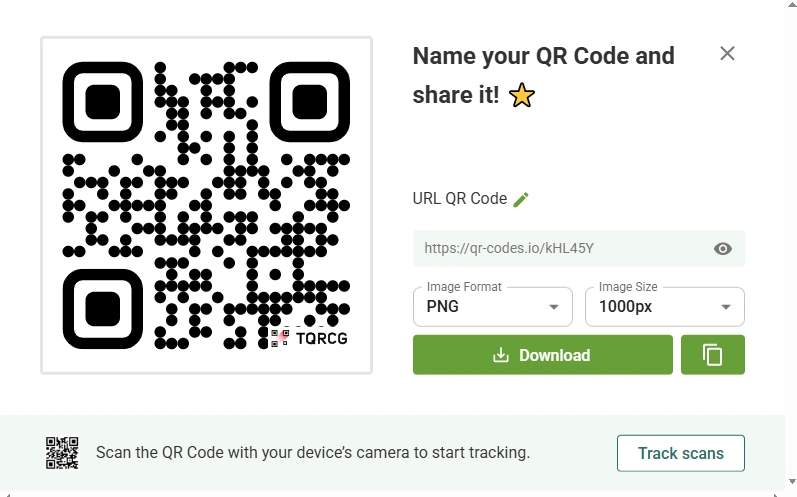
Before you move on, print a test version and scan it from different distances and under various light conditions, with both Android and iOS devices.
Step 4: Optimize the placement for the campaign
Now you decide where this code lives in the real world or on screen. Placement depends on two factors: context and practicality.
Context means the code shows up where your audience is already in the right mindset. For example:
- Awareness codes on billboards, transit posters, and front windows
- Engagement QR Codes on in-store displays, event badges, or table tents
- Conversion codes on direct mailers, packaging near checkout, or invoices
Practicality means the code is both large enough and clear enough to be scanned easily. As a rule of thumb, anything meant to be scanned from a distance needs to be printed large, while close-range items like packaging can stay smaller.
When you print your QR Codes, make sure the code has enough contrast and clear margins so scanners pick it up without effort. Always double-check that the code still links to the correct page after printing. Again, do a quick field test. Stand where your customer would stand, hold up a regular phone, and check whether the scan feels effortless.
Step 5: Craft high-intent post scan experiences
The scan is only the door; the room behind it needs to match the promise.
Again, The QR Code Generator works well with many everyday tools. You can route scans to:
- A simple landing page or product page
- A Google Form, SurveyMonkey, or other form for lead capture and feedback
- A PDF guide or menu stored in the cloud
- Social profiles, Google Reviews, or app store pages
For high intent flows, keep a few rules in mind
- Use short, clear CTAs near the code, such as scan to get the offer, scan to review your visit, scan to see the recipe
- Keep forms as short as you can while still qualifying the lead
- Make sure the destination is fully mobile-friendly
- For dynamic codes, prepare two or three alternative pages so you can A/B test the QR Codes if needed. This gives you room to try different offers, layouts, or messages.
If you are using dynamic QR Codes, you can change the target page later without changing the printed code. That makes it much easier to test new offers, adjust copy, or switch from a seasonal campaign to an evergreen one.
Step 6: Track, measure, and iterate
Finally, once your campaign is live, the job is not over. Good QR Code marketing is very iterative.
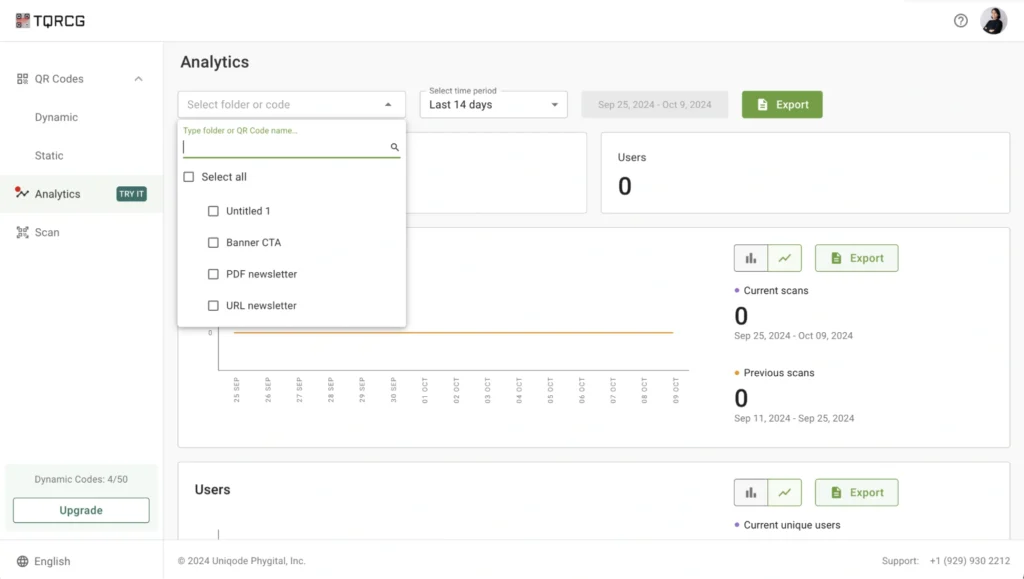
In The QR Code Generator dashboard, you can see how many scans each code receives, from which locations, at what times, and on which devices. To make that data even more useful, add UTM parameters to your URLs before you create the QR Code. That way, scans flow into your web analytics tool (like GA4) as clearly labeled traffic, and you can see how they perform on bounce rate, time on site, and conversions.
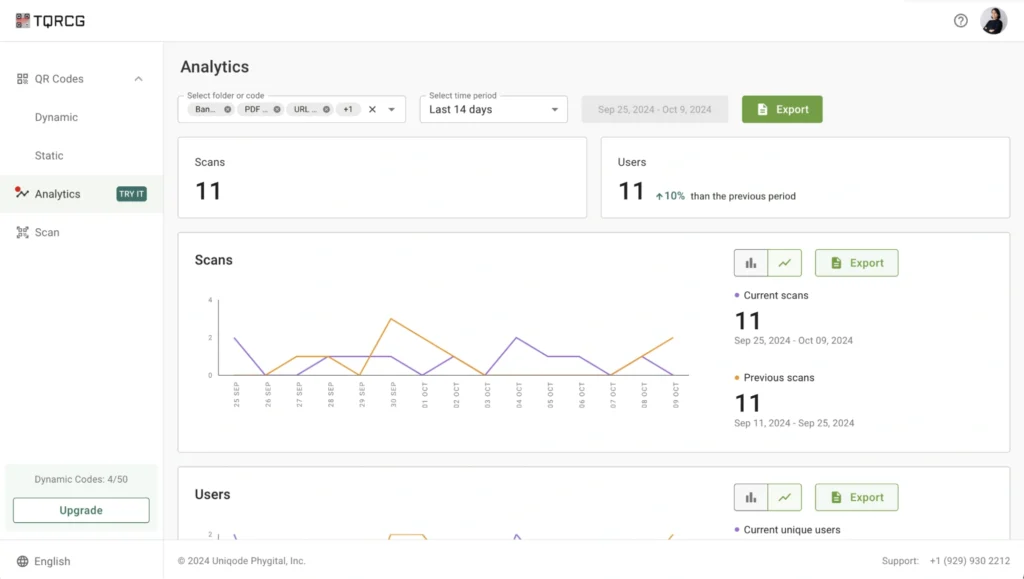
A simple weekly pattern works well:
- Check scan counts and conversion for each QR Code
- Compare placements and creatives against each other
- Pause or redesign underperforming assets
- Refresh destination content for any recurring or always-on codes
- Export CSV reports from the dashboard and sync key metrics with your CRM or reporting stack
Over a few cycles, you will know which surfaces, CTAs, and experiences are doing the most work. And because your codes are trackable, dynamic, and editable, you adjust rather than reprint.
Treat QR Codes like a real marketing channel
As you saw, QR Codes are no longer just about convenience. They bridge your physical touchpoints to measurable digital outcomes. And there’s tremendous value in that.
Any modern marketing campaign is incomplete if it doesn’t use QR Codes strategically. Their power lies in making engagement feel so easy. Someone feels a spark of interest, and they can be a part of your campaign with just a quick scan. That’s why, if you are not using QR Codes yet, you are leaving easy wins on the table.
The best way to get started with QR Codes is to use the free-to-use, no-frills platform, The QR Code Generator. TQRCG enables you to create branded, dynamic, and trackable codes that can significantly improve the outcomes of your campaign for the better.
Frequently Asked Questions
What's the best type of QR Code for marketing campaigns?
Dynamic QR Codes win for most marketing scenarios because you can update the destination without reprinting anything. If your campaign involves tracking, A/B testing, or any possibility that you might want to change the offer or landing page later, opt for a dynamic approach. Static codes are well-suited for one-time uses, such as business cards or permanent signage, where the destination is unlikely to change.
How can I track conversions from my QR Code campaign?
Use UTM parameters in your destination URLs so that every scan appears as tagged traffic in Google Analytics or your web analytics tool. If you want to track deeper actions, such as purchases or sign-ups, ensure your landing page has proper conversion tracking set up through pixels or event tags.
What makes people actually scan a QR Code?
People scan when the payoff feels immediate and worth the effort. A clear call to action, such as “scan for 20% off or scan to see the recipe,” works well. Trust also matters, so using a branded domain instead of a generic short link helps. Finally, timing is everything. Codes work best when someone is already engaged with your product, ad, or location and curious to learn more.
How do I design a QR Code that fits my brand?
Start with high contrast between the code and background so it scans reliably. Then add your logo in the center, use your brand colors for the dots or frame, and pick patterns that match your visual style. The QR Code Generator allows you to customize these elements without compromising scannability. Just avoid overdoing it. The code still needs to resemble code, not abstract art; otherwise, phones won't recognize it.
Are QR Codes secure for marketing use?
Yes, QR Codes are themselves safe. However, keep in mind that QR Codes themselves are simply containers for information, much like URLs. The security risk comes from where they send people. Stick to branded, HTTPS links that you control. Avoid generic short links that make it hard for users to tell where they are going. The biggest safety step is simply using your own domain so customers can verify the destination before they tap through.
What's a good scan rate for a campaign?
It depends heavily on placement and context. Outdoor ads might see a 1 to 3% scan rate, while in-store displays or packaging can hit 10 to 20% or higher because people have more time and motivation.