




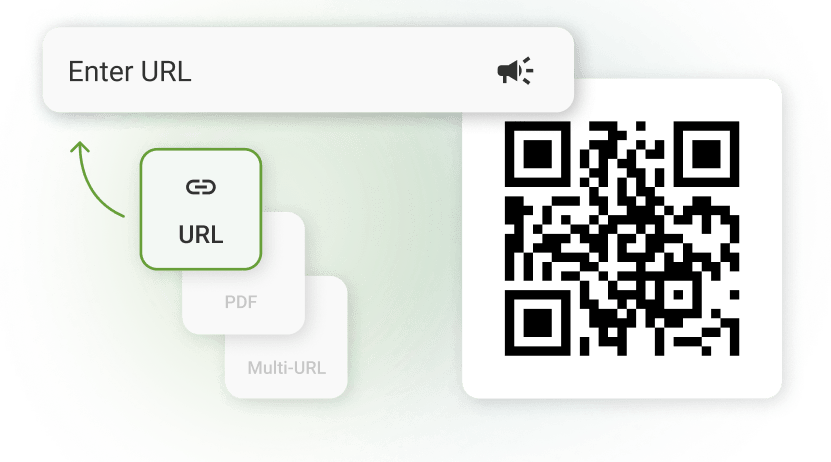


 New Dynamic QR Code
  New Static QR Code
 To enable tracking, create a Dynamic QR Code






Link a PDF document to share easily
Show multiple links in a webpage
Share contact details easily
Display a short message
Redirect to app download based on the device OS
Link phone number to send a text message quicker
Link an email address to open the email app ready to go
Link a phone number for quick calls
Link a phone number for quick calls

Remove The QR Code Generator watermark by signing up for the Flex plan



 No credit card required






How e-commerce QR Codes grow your online store
How to create an e-commerce QR Code in minutes
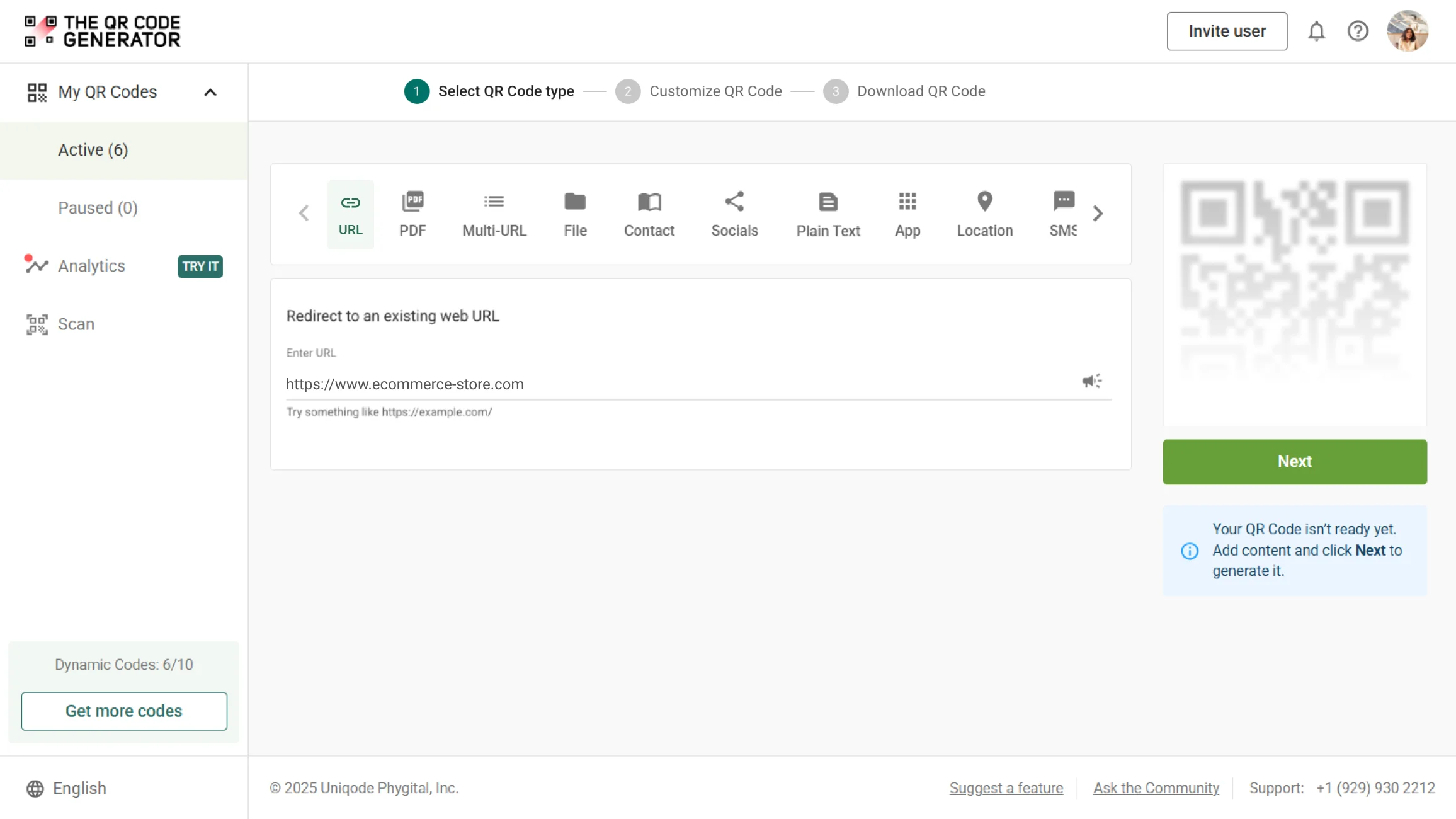
Step 1
Add your URL
Go to The QR Code Generator (TQRCG) and paste the URL you want customers to visit, such as a product page, reorder page, or campaign landing page.
Step 2
Customize your QR Code
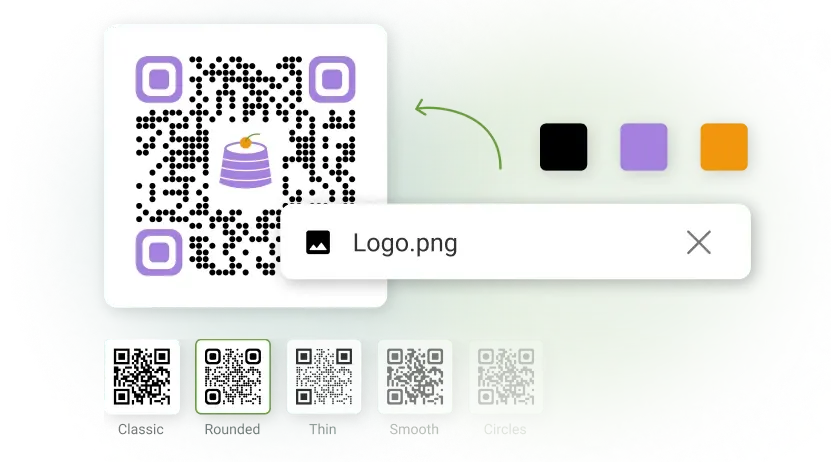
Add your brand colors, logo, or frame to match your packaging and marketing materials.
Step 3
Include a clear CTA
Add a call to action (CTA) that tells customers what they will get when they scan it, such as access to a product page or an offer. Clear messaging can increase scan rates.
Step 4
Download and test
Once your QR Code is ready, download it and test it across devices to ensure it scans reliably before use.
Where to add e-commerce QR Codes in your customer journey
1. Product packaging
Packaging is one of the most effective placements for QR Codes. Customers interact with packaging during unboxing, making it a natural moment to invite them to explore more products or reorder an item.

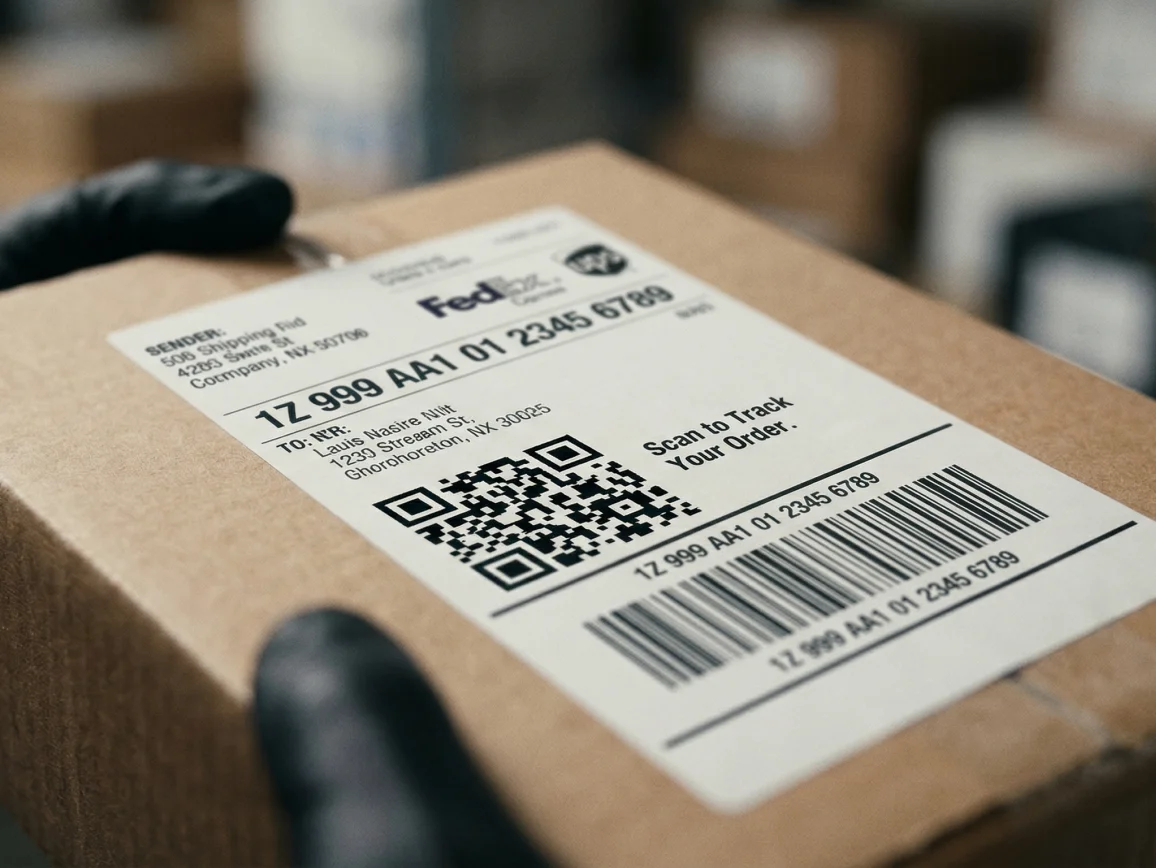
2. Shipping labels
Shipping labels provide another opportunity to connect customers with additional information or promotions. A QR Code on the label can link to order tracking pages, support resources, or product recommendations.
3. Order inserts
Many ecommerce brands include printed inserts inside packages. QR Codes on these inserts can direct customers to loyalty programs, referral campaigns, or exclusive discounts.

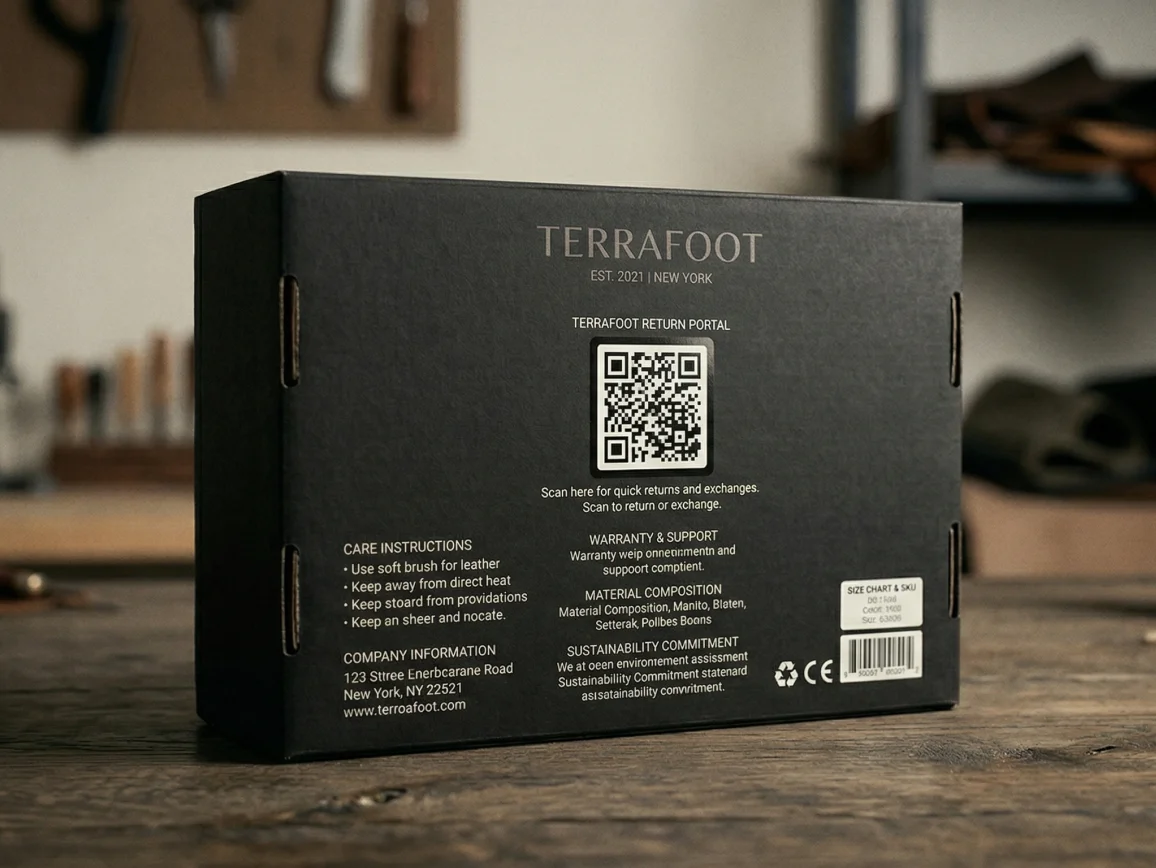
4. Returns and exchanges
Returns can often be confusing or time-consuming for customers. A QR Code that links directly to a return portal simplifies the process, reduces friction, and improves the overall customer experience.
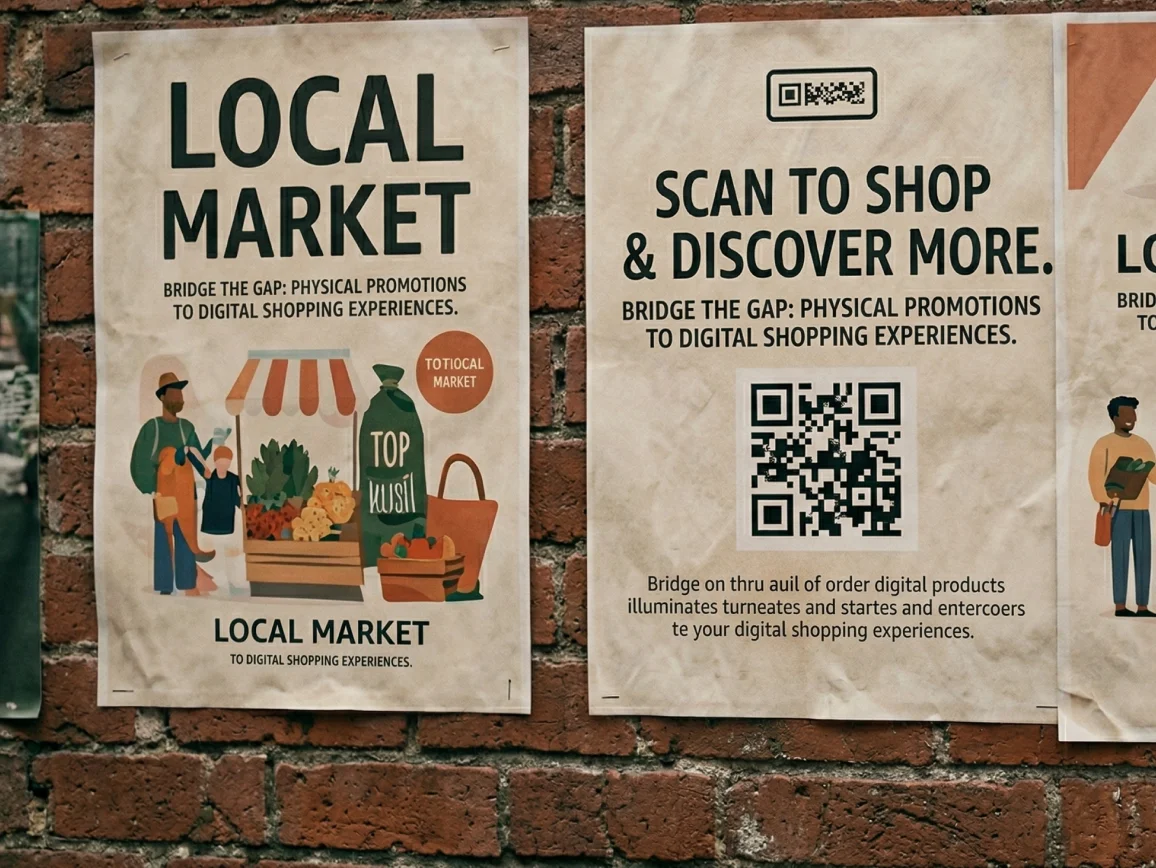
5. Offline marketing materials
QR Codes are also effective in offline marketing channels such as posters, flyers, event booths, and print advertisements. These QR Codes bridge the gap between physical promotions and digital shopping experiences.
Why do e-commerce brands trust The QR Code Generator (TQRCG)?

Dynamic QR Codes
Packaging and printed materials often stay in circulation long after they are produced. With dynamic QR Codes, e-commerce brands can update links anytime, whether redirecting customers to new product pages, promotions, or out-of-stock alternatives without reprinting materials.

QR Code analytics
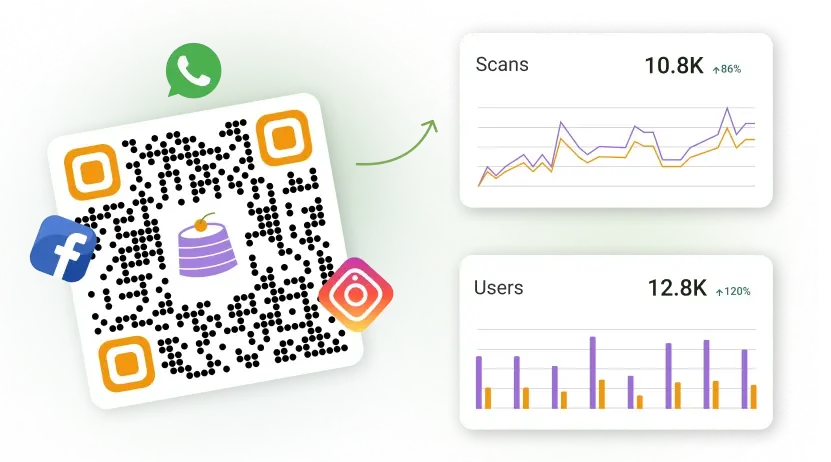
Understanding how customers interact with QR Codes is essential for e-commerce campaigns. With QR Code analytics, teams can track scans across packaging, inserts, and campaigns to identify which touchpoints drive product discovery and conversions.

Custom branding
E-commerce businesses can customize their QR Codes by adding brand colors, logos, and frames. Branded QR Codes feel more trustworthy on packaging and inserts, increasing the likelihood of scans and engagement.

Bulk QR Code generation
Bulk QR Code generation makes it easier to create codes for multiple products, SKUs, or campaigns at once. This is especially useful for e-commerce brands managing large catalogs or running campaigns across different regions.
Frequently asked questions
E-commerce brands use QR Codes on product packaging, shipping labels, order inserts, and marketing materials to connect offline experiences with online stores. When scanned, these QR Codes can direct customers to product pages, reorder links, promotional offers, tutorials, or customer support resources, helping brands drive engagement and repeat purchases.
Yes, dynamic QR Codes are better for ecommerce because they allow businesses to update the destination link without reprinting the QR Code. They also provide QR Code analytics, enabling brands to track scans, measure engagement, and optimize campaigns based on real-time data.
Yes, QR Codes can help increase repeat purchases by making it easier for customers to reorder products. E-commerce brands often link QR Codes to reorder pages, loyalty programs, personalized offers, or subscription options, reducing friction and encouraging customers to buy again.
Common placements for ecommerce QR Codes include product packaging, shipping labels, order inserts, receipts, and offline marketing materials such as flyers, posters, and in-store displays. These placements help brands bridge offline interactions with digital shopping experiences.
Yes, dynamic QR Codes can track campaign performance through built-in analytics. Businesses can monitor scan metrics such as location, device type, time of scan, and total scans to measure engagement and evaluate the effectiveness of marketing campaigns.
Yes, when implemented correctly. A growing scam called “quishing” has made some consumers cautious about scanning unfamiliar codes, but branded QR Codes placed on packaging or materials a customer already trusts are safe. Best practices such as using your logo, linking to HTTPS destinations, and using dynamic QR Codes (which let you update or deactivate a link instantly if needed) keep both your customers and your brand protected.