





 New Dynamic QR Code
  New Static QR Code

It’s no secret that business growth is built on customer loyalty, after all, 65% of revenue comes from repeat customers.
The good news is you no longer need complex, costly systems to build a loyal customer base. QR Code for loyalty programs are a modern, economic solution that replaces plastic cards and forgotten apps with a simple scan.
This article will cover why old loyalty models fail and how to use QR Codes to build a modern rewards program that boosts your bottom line.
Table of contents
- Why legacy loyalty programs fall short
- How QR Codes modernize loyalty programs
- How to set up a QR Code loyalty campaign
- QR Code loyalty programs use cases by industry
- Best practices for creating engaging QR Code loyalty programs
- Make loyalty campaigns effortless with QR Codes
- Frequently asked questions
Why legacy loyalty programs fall short
Research shows that more than half (54%) of loyalty memberships eventually become inactive. This disengagement happens due to several underlying factors.
1. High friction for customers
Many traditional programs demand unnecessary effort from customers, such as downloading separate apps, registering through long forms, or carrying physical loyalty cards. Nobody likes hoarding multiple apps on their phone. A program that feels like a chore quickly loses its appeal.
2. Low engagement rates
Despite 90% of Americans being part of at least one loyalty program, many programs see little active participation. Customers rarely interact beyond collecting points, and campaigns often fail to inspire repeat engagement. Legacy systems that restrict activity to a single channel or generic rewards contribute to stagnant programs, leaving brands with minimal meaningful customer interactions.
3. Poor tracking and ROI visibility
Traditional loyalty programs struggle to unify customer information from different sources. This makes it nearly impossible to track where members are acquired, how they move between channels, or which acquisition strategies work best. This lack of actionable insights makes it difficult to prove ROI or refine program strategies, leaving the initiative under-optimized and undervalued.
4. Failure to deliver personalized experiences
The most critical shortcoming is traditional programs’ inability to deliver personalized experiences. Customers are more likely to engage when rewards feel exclusive to them. Yet many older systems cannot use data for personalization, resulting in one-size-fits-all rewards that feel impersonal and uninspired.
When countless businesses offer similar point-based programs, customers see little reason to remain loyal to one over another. Customers have high expectations from their loyalty programs and do not hesitate to switch if they do not fulfill them.
This gap between customer expectations and outdated loyalty models signals a clear need for modernization. That’s where digital tools like QR Codes come in.
How QR Codes modernize loyalty programs
Using QR Codes in your loyalty programs can make the experience easier and more engaging for customers while delivering measurable, cost-effective benefits to businesses.
1. Easy onboarding
With QR Codes, you can make it effortless for customers to join your loyalty program. A simple scan with a smartphone instantly directs customers to a mobile-optimized sign-up page. This eliminates downloading a separate app or manually typing a URL, turning the entire sign-up into a seconds-long interaction.
2. Smooth redemption
Rewards become instantly accessible and redeemable through QR Codes. Customers no longer have to carry or present physical cards or vouchers. They can simply share the QR Code linked to their digital profiles to trigger automatic reward application or point allocation.
3. Cost-effective and scalable
QR Code loyalty programs reduce the costs of printing and distributing physical cards. This also lowers environmental impact significantly by minimizing paper and plastic waste. You can then scale without additional overhead costs.
4. Measurable engagement
Every QR Code scan generates valuable data points that enable you to track customer interactions in real time. It gives you insights into the time, date, and location of the interaction, as well as scan frequency.
With the right tracking parameters, you can also see redemption rates. This data helps with precise measurement of engagement and campaign effectiveness. You can continuously optimize and identify channels and touchpoints that drive the most participation and optimize your strategy.
5. Applicable at every touch point
QR Codes can be integrated across all customer interactions. Be it in-store counters and product packaging, or digital advertising and mobile apps, you can create an omnichannel loyalty experience that allows customers to engage easily wherever they are.
A QR Code placed on a receipt can link to a point-tracking system, instantly adding points to a customer’s profile with a single scan. One in a digital ad or email can lead to a special coupon. This unified system ensures your loyalty program is accessible and provides consistent value.
Now that you know the benefits of a modern rewards program, let’s walk through how to set up your own QR Code loyalty campaign.
How to set up a QR Code loyalty campaign
A successful loyalty program is built on a few key pillars, from understanding your goals to choosing the right rewards. Let’s walk through the steps with a simple example.
1. Define the campaign goal
Start by identifying a specific, measurable objective for your campaign. It could be increasing your customer base or increasing average spend. Each of these requires you to understand your existing customer base thoroughly. Based on this, you can choose the reward model.
📌Example: The Daily Grind Coffee Shop
Their goal is to increase the average transaction amount of their regular customers and boost overall revenue.
2. Choose the reward model
Select a reward structure that best motivates your audience and aligns with your objectives. Common models include:
- Revenue-based models: Reward customers with points proportional to their spending (e.g., 1 point per $1 spent), encouraging higher purchase amounts and directly driving revenue growth.
- Engagement-based models: Incentivize non-purchase actions like writing reviews or social sharing to build brand loyalty.
- Tiered models: Introduce progressive levels (such as Silver, Gold, and Platinum) that offer increasing benefits, encouraging long-term engagement.
- Hybrid models: Combine multiple reward types to cater to a diverse audience.
📌Example: The Daily Grind Coffee Shop
To meet their goal of increasing average spend, they choose a revenue-based model. Customers earn 1 point for every $1 spent. Once they reach 50 points, they unlock a $5 discount on their next purchase. This directly rewards higher spending.
3. Collect customer data
To set up a QR Code for your loyalty program, start by linking it to a simple sign-up form that collects basic details such as name, phone number, and email. Once submitted, this information feeds into your loyalty system or CRM, where each member can be assigned a unique ID.
From there, your loyalty platform manages points allocation and customer profiles. The QR Code acts as the entry point making it easy for customers to join while the backend system handles rewards, personalization, and ongoing engagement.
Automate SMS or email notifications to keep customers informed about their rewards.
📌Example: The Daily Grind Coffee Shop
At the counter, a QR Code is placed next to the tip jar. A customer scans it, and a simple sign-up form appears asking for just their name and email. Once they sign up, their points for that purchase are automatically added to their new digital loyalty profile. They get a confirmation text with a link to their new digital loyalty card, making it simple to track.
4. Build a promotion strategy
Develop a loyalty campaign promotion plan that leverages social media, email, and in-store campaigns to raise awareness and encourage participation. Use dynamic QR Codes for location-based and time-based deals. 60% of customers are more likely to enroll if they get regular updates on the benefits available to them. Ensure you set up a motion to engage customers throughout the campaign.
📌Example: The Daily Grind Coffee Shop
They announce their new loyalty program on social media, offering the first 100 new members a free coffee just for signing up. They also create a limited-time “Secret Menu” item, accessible only by scanning a dynamic QR Code on a poster inside the shop. This creates urgency and a sense of exclusivity.
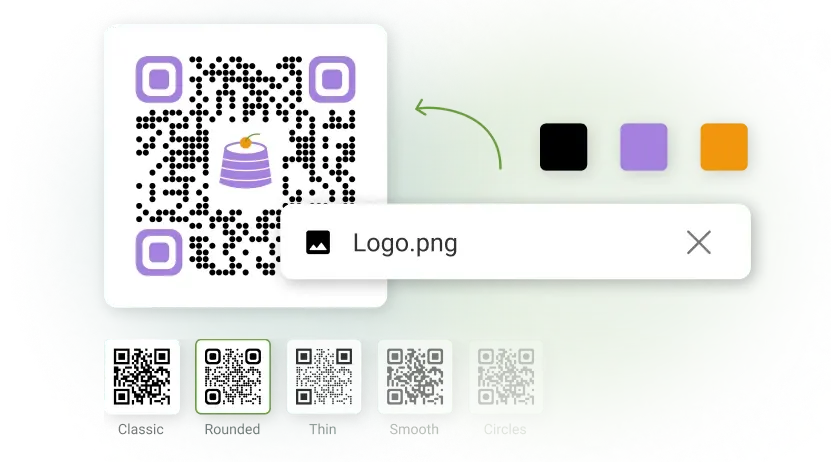
💡 Pro tip: Use The QR Code Generator’s (TQRCG) customization options to brand your QR Code with your logo and colors to match your loyalty program’s identity.
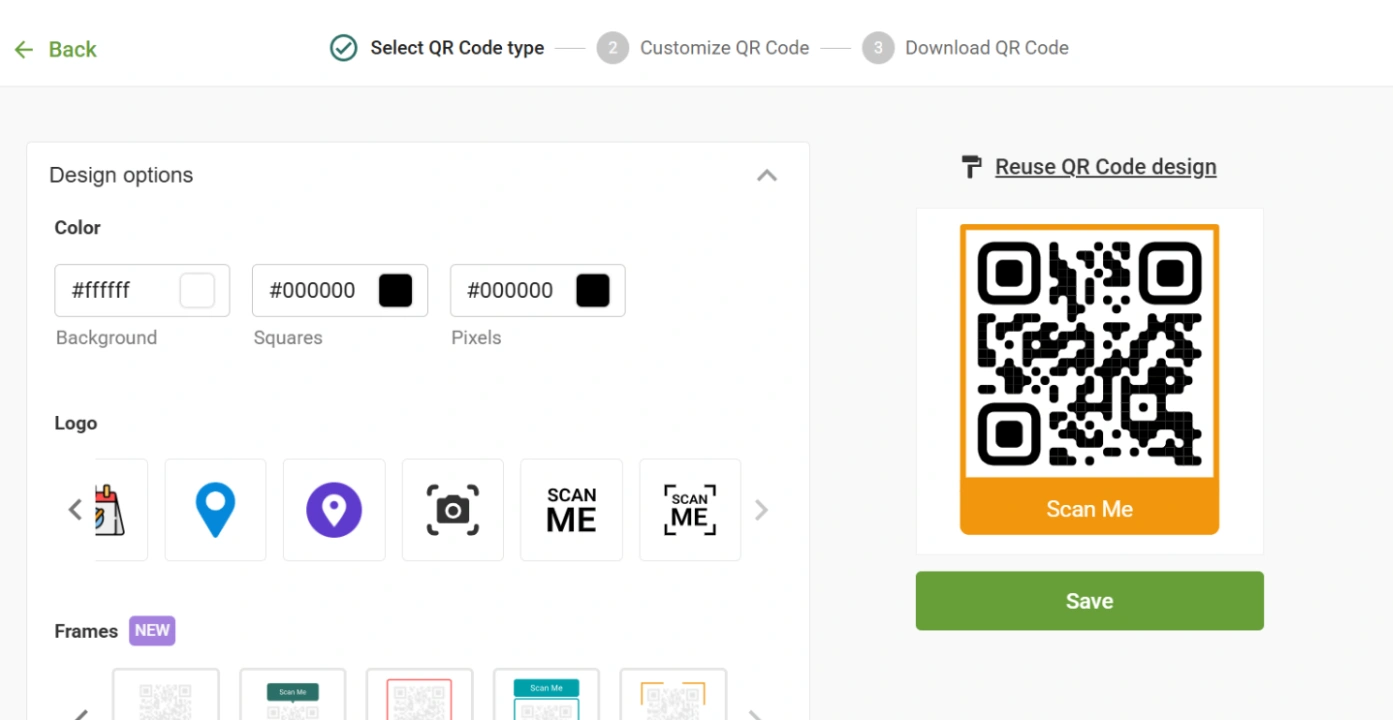
5. Place the QR Codes strategically
Deploy QR Codes for loyalty campaigns where customers are most likely to engage. Place them on receipts, menus, packaging, posters at checkout counters, and high-traffic in-store areas. Optimal placement ensures convenience and maximizes scan rates. Ask your employees to encourage customers at checkout to avail offers available through loyalty programs.
📌Example: The Daily Grind Coffee Shop
QR Codes are placed prominently at the order counter, on every receipt, and on the new coffee cup sleeves. They even add a larger one to a chalkboard sign on the sidewalk outside to attract foot traffic and build their customer base.
6. Track campaign performance
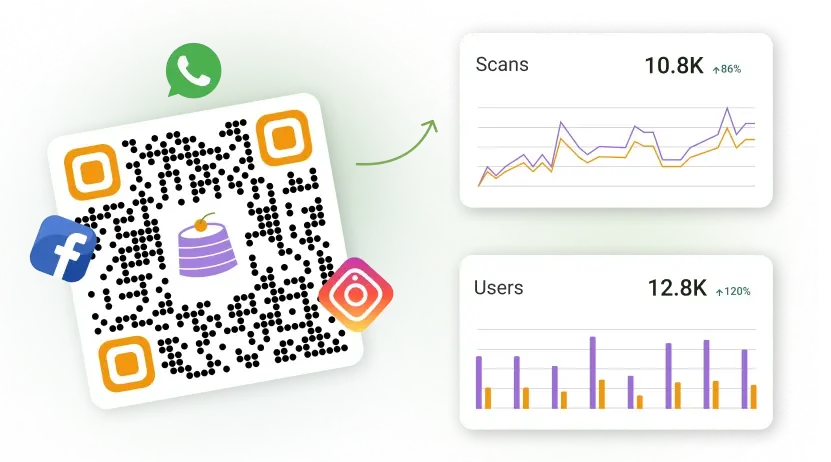
With The QR Code Generator’s analytics dashboard, you can monitor scan frequency, location, time, and conversion rates. Detailed data enables you to understand customer behavior and the loyalty program’s effectiveness. Use the data to send targeted promotions through Google Ads.
📌Example: The Daily Grind Coffee Shop
After the first month, they check their analytics dashboard on TQRCG. They discover that the QR Codes on the coffee cup sleeves have the highest scan rates, but the QR Codes on receipts have the highest sign-up conversion. They can also see that the “Secret Menu” QR Code was scanned the most on Tuesday afternoons.
7. Iterate and improve
Use insights to optimize your campaign. For example, you can use The QR Code Generator’s (TQRCG) analytics dashboard to see which time and days the scan rates are its highest. You can also check if certain locations yield more scans, focus promotions and placements there for stronger impact.
📌Example: The Daily Grind Coffee Shop
Seeing that cup sleeves drive the most engagement, they decide to print new sleeves with a “Scan for a free pastry” offer. Based on the insights from Tuesday afternoons, they send a targeted email to loyalty members with a reminder to “stop by for an afternoon treat” every Tuesday. This structured approach turns data into actionable decisions that boost customer loyalty and growth.
QR Code loyalty programs use cases by industry
Different industries use QR Code loyalty programs in unique ways to engage customers. Let’s look at some use cases across sectors.
Retail and e-commerce
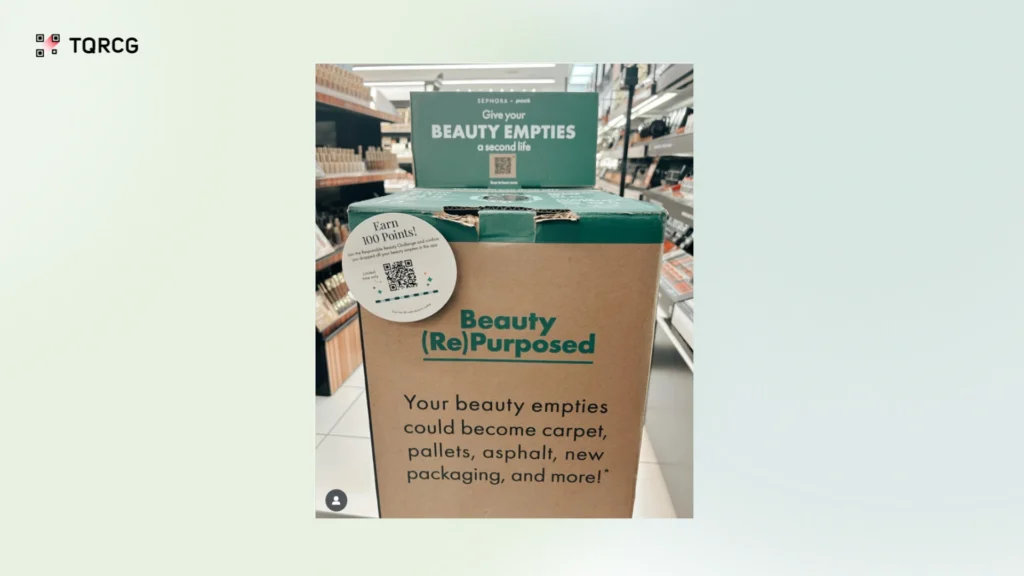
QR Codes allow retailers to engage with customers directly at the point of sale or on the product packaging itself. Customers can scan a QR Code on their receipt to instantly earn points or on a product to access a special offer.
📌For example: Sephora’s Beauty Insider Program
Sephora’s Beauty Insider is a multi-tiered loyalty program that lets members earn points on every purchase (online, in-store, or via partner platforms) by using the email linked to their account. While the core program is app-based, Sephora has leveraged QR Codes in special initiatives, such as the Beauty (Re)Purposed “Empties” program. In this campaign, customers scan a QR Code on packaging or in-store drop-off stations when returning empty beauty containers to earn points and rewards. Beyond transactions, Sephora uses QR Codes on in-store displays and campaigns. This creates a more interactive and valuable experience for loyal members.
Restaurants and cafes
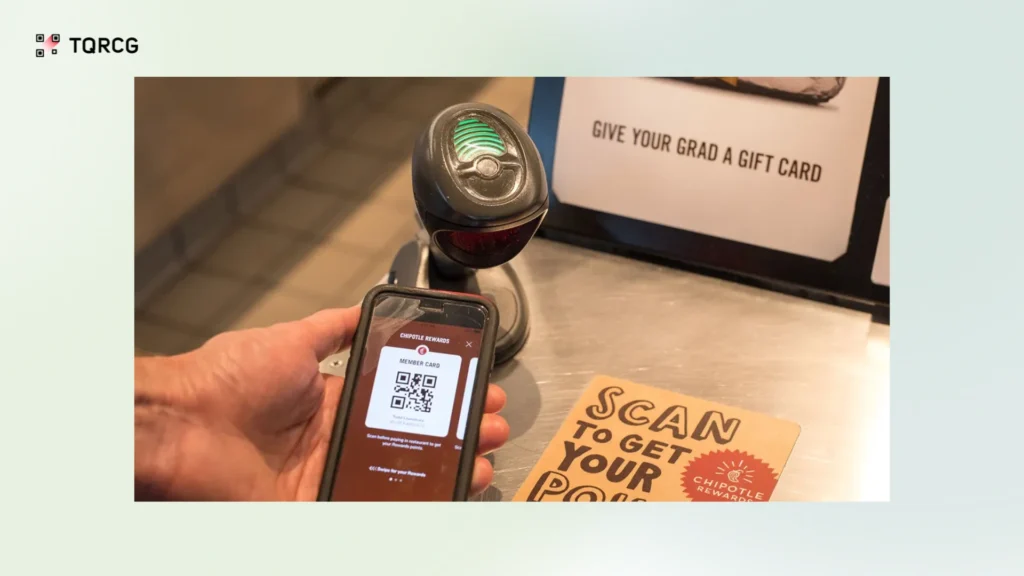
QR Codes can streamline the loyalty process to turn a quick transaction into a long-term relationship. They can be used on menus, receipts, or more. You can use loyalty programs to award small rewards and keep customers returning for more.
📌For example: Chipotle Rewards
Chipotle uses a QR Code-based system to make earning rewards a breeze. Customers can simply scan a QR Code from their app at the register to earn points on their purchase. This system is so well integrated that it has enabled them to introduce gamified elements, as seen in their “Guac Mode” promotion, which rewards loyal customers with free guacamole. They use QR Codes for personalized and engaging perks, which encourages repeat visits and builds a strong relationship with their customers.
Consumer packaged goods (CPG) brands
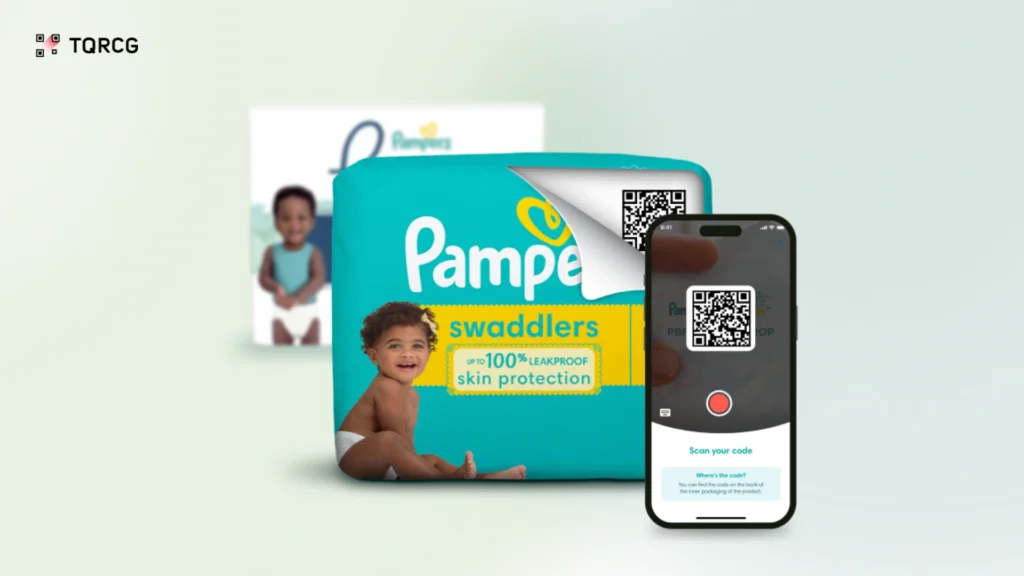
CPG brands, which often have no direct relationship with the end consumer, can use QR Codes to create one. By placing a unique, serialized QR Code on product packaging, a brand can turn every product into a touchpoint for its loyalty program.
📌For example: Pampers Rewards Program
Pampers has one of the most well-known QR Code loyalty programs. Every pack of Pampers diapers and wipes has a QR Code. Parents can scan this code using the Pampers Club app to earn “Pampers Cash.” These points can be redeemed for coupons, discounts, and gift cards. This system creates a direct line of communication with the consumer, gathers valuable data on purchasing habits, and fosters a sense of community and brand loyalty.
Travel and hospitality
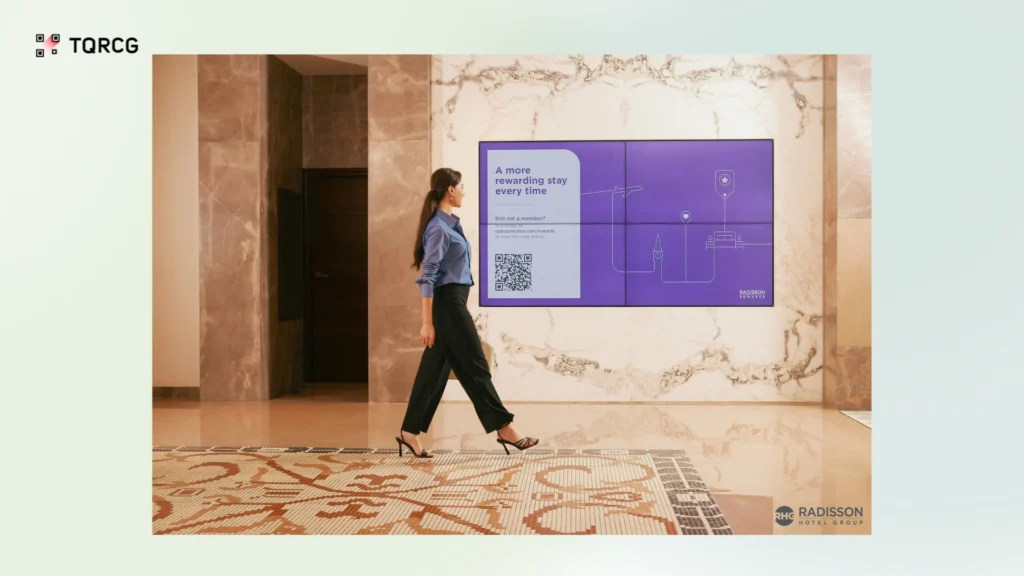
Make it easy for guests to join the hotel rewards program with QR Codes. Alert them of special offers and promotions in different areas of the hotel by placing a QR Code poster around different areas.
📌For example: Radisson Rewards
While Radisson Hotels & Resorts’ rewards is a points-based program, it use QR Codes to promote its loyalty program. It places QR Codes near dining areas, offering member-only discounts. It also used QR Codes to run a campaign in which new users got 1000 points when they signed to the rewards program, in addition to a chance of winning 250,000 points.
💡 Pro tip: Ensure your QR Codes are always scannable. Download high-resolution versions (PNG/SVG) from The QR Code Generator to prevent blurriness and poor scan quality on printed materials.
Grocery and supermarkets
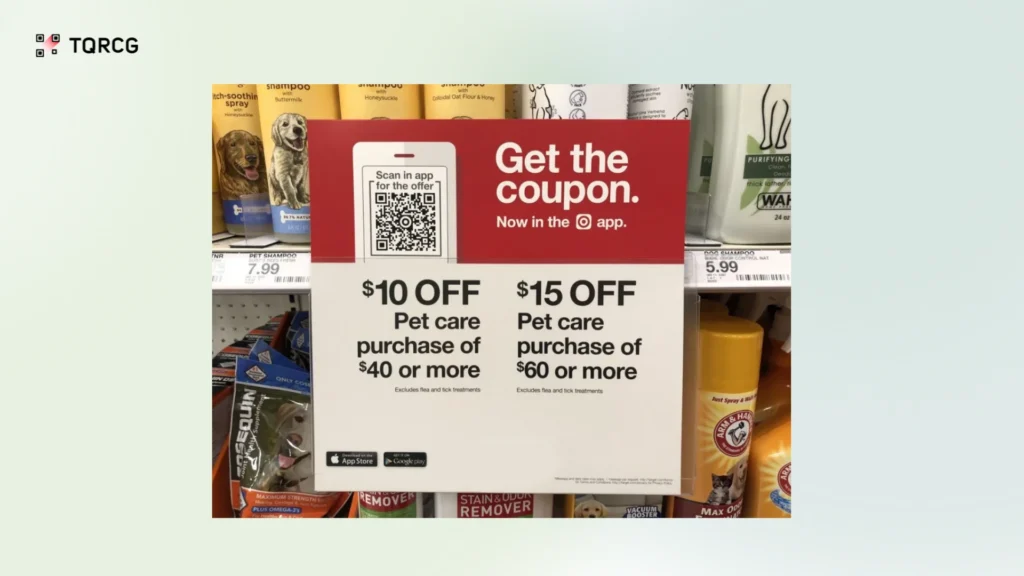
Grocery stores can use QR Codes to make shopping more efficient and rewarding. QR Codes can be placed on aisle signs to provide more product information or on a customer’s receipt to add points to their loyalty account instantly.
📌For example: Target Circle Program
Target Circle is a free loyalty program providing members personalized deals and perks. Target has QR Codes all over its stores, which members are encouraged to scan to get a coupon or win a gift card they can use on their next purchase. Customers can also scan a QR Code on their Target Circle app to automatically apply the offer while checking out.
Entertainment and sports
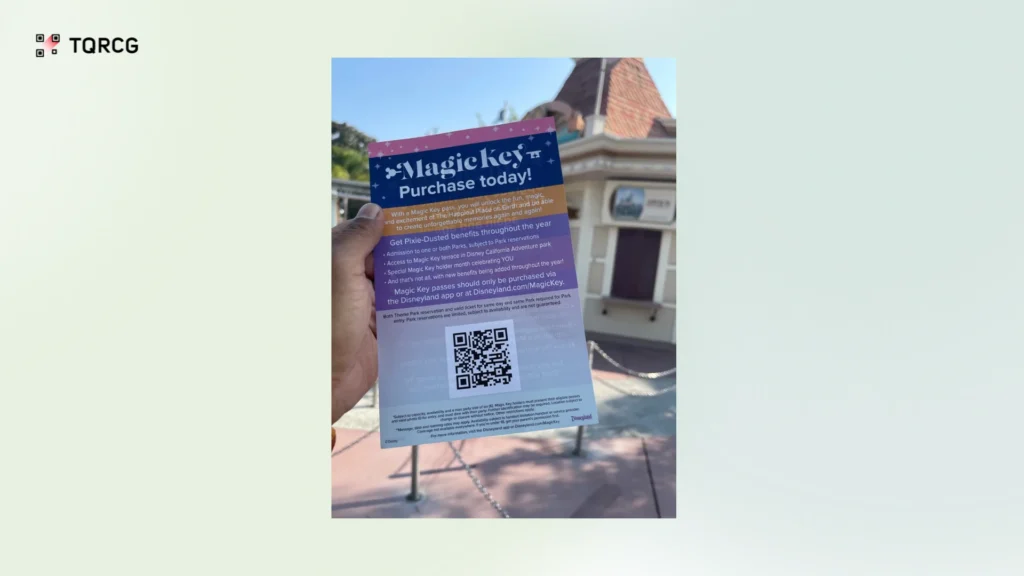
Entertainment companies and sports teams can use QR Codes to create interactive and engaging loyalty programs that go beyond simple ticket sales. For frequent customers, they can offer discounts and special rewards that keep them happy.
📌For example: Disney’s Magic Key Program
The Magic Key program at Disneyland and California Adventure offers a tiered annual pass system. It offers special discounts like 20% off on merchandise. They use QR Codes around the park to encourage park goers to sign up for the program. They also gave out flyers with all the benefits of the program listed.
Best practices for creating engaging QR Code loyalty programs
Implementing QR Codes thoughtfully within loyalty programs can greatly improve customer participation.
1. Place QR Codes strategically
Add QR Codes at essential customer touchpoints like digital signage, receipts, packaging, checkout counters, or boarding passes. Make them prominent and easy to scan. They are most effective at eye level, with a clear call to action. Don’t forget to test different placements in-store and online to ensure optimal performance.
2. Link to a mobile-first rewards experience
Send users directly to a frictionless, mobile-optimized loyalty experience. Avoid long web forms and allow sign-up with one tap or with minimal details. Remember, most loyalty interactions occur via smartphones so smooth mobile UX is critical for reducing abandonment and building long-term engagement.
3. Incentivize the first scan
Offer customers a compelling and immediate reward for their first scan. It could be bonus points, free samples, or exclusive offers. Quick wins validate the value of joining, create a positive feedback loop, and set the stage for repeat interaction.
4. Rotate offers tied to the QR Code
Use dynamic QR Codes that allow seasonal deals, changing promotions, or tier-based incentives without reprinting materials. This keeps your program fresh and drives engagement. Indicate that you have evolving deals on signage and notifications to prompt scans. Dynamic offers are also great for A/B testing what drives response.
5. Personalize rewards post-scan
Immediately after scanning, collect light preferences through purchase data to target offers. Data-driven personalization such as free birthday month treats or favorite product discounts, builds emotional loyalty. Tailored rewards increase relevance and make the customer feel valued and heard.
6. Track scans and redemptions to refine campaigns
Take advantage of QR Code analytics such as place of scan, device type, and the timing of interactions. Connect these insights to your CRM or loyalty platform to refine campaign targeting and offer design. Use learnings to double down on effective incentives and adjust underperforming offers. Ongoing tracking means your loyalty strategy evolves with consumer behavior and preferences.
Make loyalty campaigns effortless with QR Codes
With QR Codes you can make your loyalty program mobile first, effortless, and cost-effective for customers.
With dynamic offers and real-time data collection at every touchpoint, QR Codes enhance convenience and deliver measurable results. Additionally, QR Code-powered loyalty schemes reduce paper and plastic waste. Through dynamic QR Codes, programs stay fresh and relevant, fueling repeat visits and higher customer lifetime value.
With QR Code generators like TQRCG, even small brands can launch powerful loyalty campaigns that convert one-time shoppers into repeat, loyal customers.
Start today with TQRCG and create experiences your customers will love!
Frequently asked questions
A QR Code loyalty program is a digital rewards system that lets customers join, collect points, and redeem rewards simply by scanning QR Codes. These programs enhance convenience and allow brands to track customer engagement effortlessly through smartphones.
QR Code loyalty cards work as digital membership cards stored on a customer’s mobile device or digital wallet. Customers scan their unique QR Code at the point of sale or during online purchases to instantly earn or redeem points, access account balances, and receive personalized offers. This eliminates the problem of forgotten cards and speeds up checkout.
Absolutely. Small businesses can create simple QR Code loyalty programs by linking QR Codes to online sign-up forms, Google Sheets, or basic CRM solutions. Just display a QR Code for customers to scan, enter their information, and start shopping to earn rewards.
CPG brands can print unique QR Codes on product packaging or inserts. Shoppers scan the code to register purchases, collect points, and access brand-specific offers or sweepstakes. This bridges the gap between the manufacturer and the end consumer, creating customer databases.
Key performance indicators (KPIs) for QR Code loyalty programs include:
– Number of scans and sign-ups (program growth)
– Points earned and redeemed (reward engagement)
– Customer retention and repeat visit rates
– Redemption rates for specific offers
– Customer lifetime value (CLV)
– Churn reduction and opt-out rates
– ROI for campaigns and individual incentives
