





 New Dynamic QR Code
  New Static QR Code
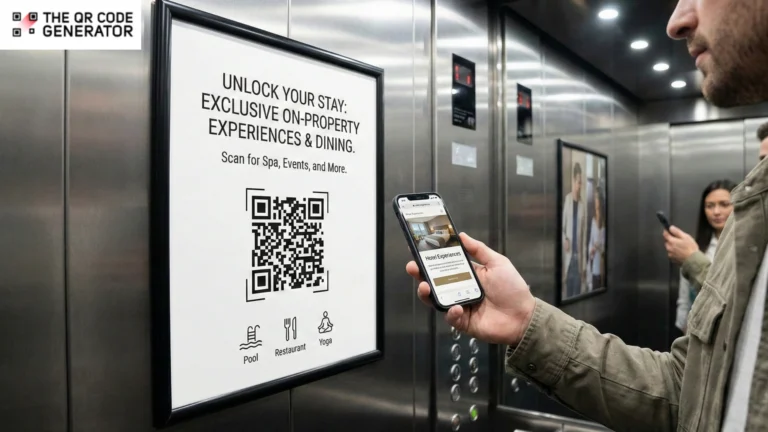
Most hotel guests step into an elevator several times a day, often standing still, phone in hand, waiting to reach their floor. These short pauses may last only a few seconds, but they repeat throughout the stay and shape how guests discover (or miss) what your hotel has to offer.
A lot of times, guests leave without ever realizing there was a rooftop bar, a spa slot available that afternoon, or an in-house event happening that evening. Hotels invest heavily in premium amenities, yet discovery often happens too late.
A simple poster or elevator notice adds little value if it doesn’t lead guests to immediate action. A sustainable and cost-effective way to close this gap is through QR Codes in hotel elevators. QR Codes help guests discover experiences instantly, and make booking effortless without adding operational overhead.
In this guide, you’ll learn how hotels can use elevator QR Codes to drive bookings and improve guest experience.
Table of contents
- Why traditional posters in hotel elevators fail to drive bookings
- How QR Codes in elevators drive bookings for on-property experiences
- How to create QR Codes for hotel elevators with TQRCG
- Best practices for using QR Codes in hotel elevators
- Unlock revenue opportunities with TQRCG QR Codes in hotel elevators
- Frequently asked questions
Why traditional posters in hotel elevators fail to drive bookings
Every hotel guest rides the elevator multiple times a day, and while traditional posters grab attention, they rarely drive action.
1. Posters don’t enable real discovery
Many premium amenities such as spas, rooftop lounges, signature restaurants, and curated experiences are located away from guest rooms. Discovery depends on awareness.
Elevator posters usually offer only a name or a short description. They don’t show menus, images, pricing, or what’s available right now. Without enough context to spark interest or confidence, guests notice the poster but don’t act. Many only learn about these offerings at checkout, when the revenue opportunity is already lost.
2. They can’t replace staff recommendations
Front desk staff play a key role in upselling, but they can’t promote everything at check-in. Guests are often tired, distracted, or focused on getting to their room.
Posters don’t bridge this gap. They repeat the same static message instead of reinforcing or expanding on staff recommendations when guests are deciding how to spend their time.
3. Static print is easy to ignore
Printed materials compete with notifications, conversations, and movement inside the elevator. Guests glance at them once, then mentally tune them out.
Posters also can’t adapt. They don’t reflect real-time availability, seasonal offers, or guest preferences, making them easy to dismiss as background noise.
4. Posters offer no visibility or measurement
Hotels can’t tell which amenities guests noticed, what caught their interest, or which promotions actually drove bookings. Without data, posters stay the same, even if they’re underperforming.
QR Codes in elevators solve this by reaching guests mid-journey, right when they are transitioning between activities and are most likely to be looking for their next pastime.
How QR Codes in elevators drive bookings for on-property experiences
QR Codes enable hotels to give guests easy access to their available services during peak decision-making moments during frequent elevator trips.
1. Drive restaurant reservations without friction
Dining decisions often happen in transit. An elevator QR Code can link directly to the restaurant menu and reservation flow, removing the need to call or visit the front desk.
With dynamic QR Codes, hotels can update destinations by time of day. Breakfast menus appear in the morning, lunch specials in the afternoon, and dinner reservations in the evening. The QR Code stays the same while the experience adapts.
2. Upsell rooftop, poolside, or premium spaces
Premium offerings such as cabana rentals, rooftop bars, VIP pool access, or signature cocktails are easy to miss without active promotion.
Elevator QR Codes can lead to visual-first landing pages with photos, availability, and pricing, making these spaces feel accessible in seconds. Guests see what’s available and can upgrade on the spot, which works exceptionally well for spontaneous, high-margin bookings.
💡 Pro tip: Resist the urge to add multiple QR Codes in a single space. Too many options confuse users and dilute intent. Use one multi-URL QR Code with a clear call to action so people instantly know what they’ll get when they scan.
3. Promote in-hotel activities and experiences

From live music and wine tastings to fitness classes and seasonal programming, on-property events increase engagement and in-stay spend.
Link your elevator QR Code to a live events or activities page showing times, descriptions, and RSVP options. A multi-URL QR Code can surface the full weekly schedule, such as weekday classes and weekend pool parties, without overwhelming guests.
4. Increase loyalty program sign-ups
Elevators are a high-visibility spot to promote loyalty programs with compelling, in-stay incentives. QR Codes for loyalty programs make it easy for guests to explore member-only benefits or sign up instantly, without visiting the front desk. For example, brands such as Marriott Bonvoy use QR Codes to highlight exclusive perks.

Hotels can promote offers such as “Join our loyalty program for 20% off your next spa booking,” timed to appear just before guests head out. For returning guests, QR Codes can also surface personalized offers based on previous stays.
5. Capture genuine reviews
Feedback is most valuable when experiences are still fresh.
Google or Yelp QR Codes for reviews placed in elevators can link to short feedback forms or review prompts, making it easy for guests to share their thoughts without waiting until after checkout. This increases response rates and helps hotels spot issues while guests are still on the property.
6. Enable instant Wi-Fi access
Wi-Fi access is one of the first things guests ask about.
A Wi-Fi QR Code allows one-scan network access, eliminating the need to ask for passwords or read long instructions. Placing it inside elevators or near the lobby reduces friction and improves the first-day experience.
QR Codes in elevators can unlock significant value, but results depend on how they’re designed and deployed. Next, let’s look at how to create elevator QR Codes that actually get scanned and used.
How to create QR Codes for hotel elevators with TQRCG
Creating QR Codes for hotel elevators is simple and doesn’t require changes to your existing systems. You can create them using The QR Code Generator (TQRCG), which lets you generate dynamic QR Codes and unlimited static QR Codes for free.
Step 1: Choose the QR Code type based on purpose
Start by deciding what action you want guests to take during their elevator ride. Different QR Code types support different use cases.
- Use a menu QR Code to showcase dining options with instant reservation or ordering flows.
- Use a booking or form QR Code to capture spa appointments, cabana rentals, or loyalty sign-ups.
- Use a multi-URL QR Code to offer multiple offers in a single scan.
For hotel elevators, dynamic QR Codes are strongly recommended. They allow you to update menus, offers, availability, or campaigns in real time without reprinting signage. They’re also trackable, helping you understand which experiences guests engage with most and when.
Step 2: Generate your hotel elevator QR Code

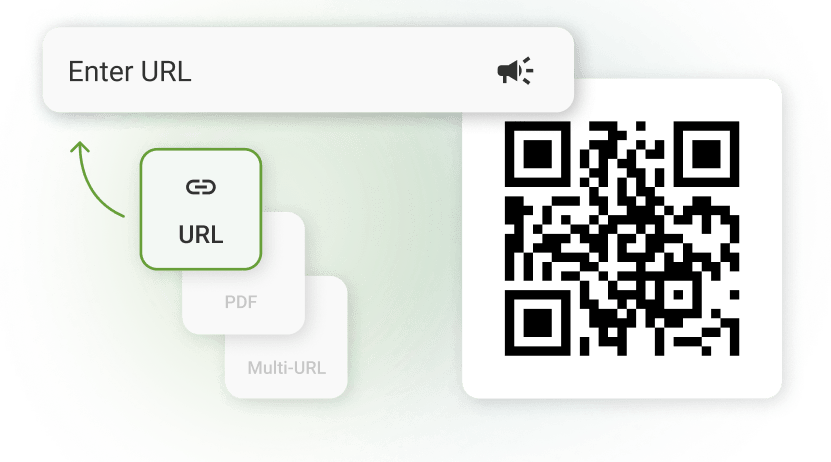
Sign in to TQRCG and select the appropriate QR Code type. Enter the destination link, such as a spa booking page, event calendar, dining menu, or loyalty sign-up form. Click Next to proceed.
Step 3: Brand your QR Code
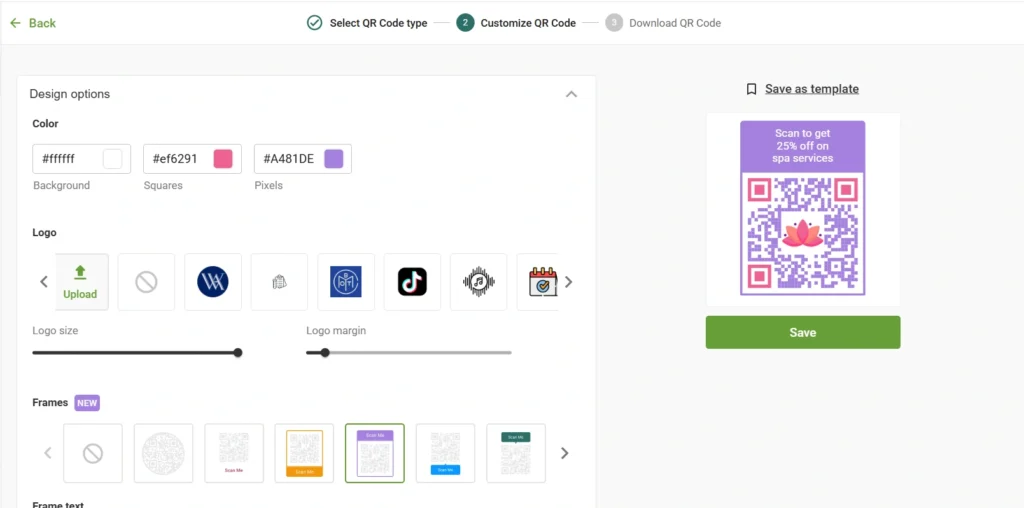
Customize the QR Code to match your hotel’s branding while keeping it easy to scan.
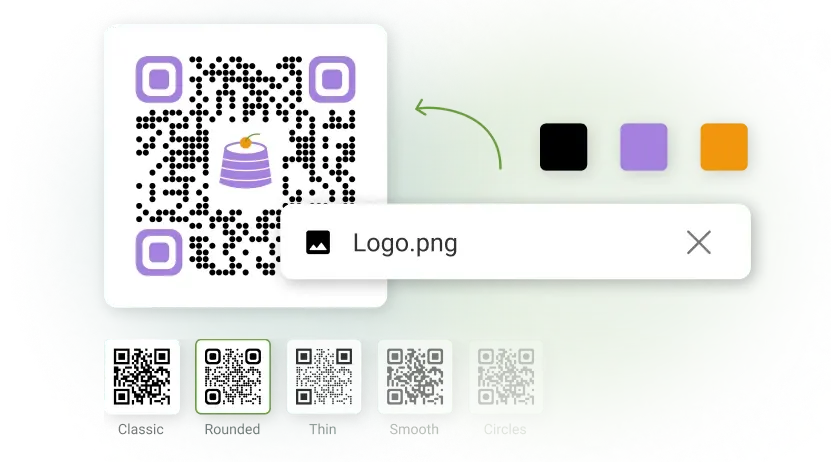
Use high-contrast colors, add your hotel logo in the center, and include a QR Code frame with a clear call to action such as “Scan to book the spa today” or “See what’s happening tonight.” Keep the message short and benefit-focused, because guests only have a few seconds during each ride. Once finalized, click Save.
💡 Pro tip: Make sure your QR Code is large enough and surrounded by a proper quiet zone (white space), so it scans instantly. Cluttered designs and tight spacing are one of the biggest reasons QR Codes fail in real-world situations.
Step 4: Download and prepare for elevator placement

Name and download your code in a high-resolution format. SVG works best for printed elevator panels and posters, while PNG is ideal for digital elevator screens.
Before deployment, test the QR Code on multiple devices and under different elevator lighting conditions. Place it at eye level and avoid reflective surfaces that could interfere with camera focus.
For a smooth scanning experience, let’s look at how to optimize elevator QR Codes for maximum scans and engagement.
Best practices for using QR Codes in hotel elevators
Optimize your elevator QR Codes for speed and clarity. When you remove friction from the guest journey, engagement and bookings follow.
1. Optimize design and visibility
Elevator QR Codes must be instantly scannable within a short window of attention.
Use QR Codes that are at least 3–4 inches in size for print. Avoid glossy or reflective surfaces that interfere with phone cameras. Place the QR Code at average eye level, where guests naturally look while standing.
Always include a clear headline near the QR Code that explains the value of scanning, such as “Book the spa today” or “See what’s happening tonight.” Guests should understand the benefit at a glance.
2. Update content by time and season
Dynamic QR Codes allow you to update content without reprinting signage.
Use them to rotate offers by time of day, season, or theme. For example, promote breakfast menus in the morning, happy hour specials in the evening, or limited-time seasonal packages. Calling out that offers change daily or weekly gives guests a reason to scan more than once.
3. Customize by placement
QR Code performance improves when the content matches the location.
In elevator waiting areas, promote amenities located on other floors to increase awareness of what’s available across the property. Inside the elevator, use a multi-URL QR Code to highlight the most popular experiences and where they’re located so that guests can make quick decisions.
4. Reduce booking friction
Every extra step reduces conversion.
From scan to confirmation, the journey should take no more than three clicks. Use mobile-optimized pages with fast load times and short forms. Make Wi-Fi easily accessible inside elevators, and wherever possible, use saved guest details and instant confirmations to remove hesitation.
5. Track and optimize performance
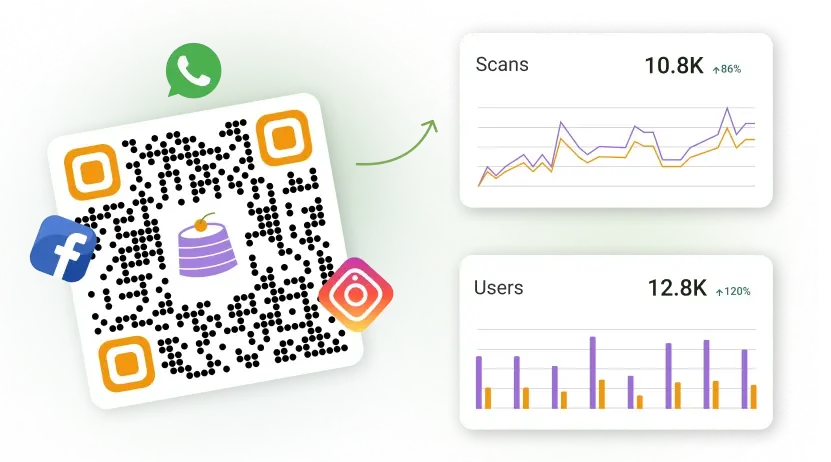
Use trackable QR Codes to measure scan rates by time of day, elevator location, and offer type.
Track conversions for each experience, such as spa bookings, dining reservations, events, or upgrades. Use these insights to rotate underperforming offers, refine calls to action, and double down on what drives the most bookings.
Unlock revenue opportunities with TQRCG QR Codes in hotel elevators
Elevators are one of the few places where every guest pauses multiple times a day, often with their phone already in hand. Yet most hotels still treat this space as decorative rather than strategic. Dynamic QR Codes turn elevator rides into high-intent moments for discovery, upgrades, and bookings.
If you’re ready to surface premium amenities at the right moment and convert guest intent while they’re still deciding what to do next, try The QR Code Generator (TQRCG). It’s a scalable and budget-friendly QR Code platform built for hospitality teams. With TQRCG, you can customize QR Codes to match your brand, update destinations by time or season, and track performance to continuously optimize guest engagement.
Turn every ride into revenue now with The QR Code Generator (TQRCG). Start with two free dynamic QR Codes.
Sign up to create your free hotel elevator QR Code!
Frequently asked questions
Elevator QR Codes should link to quick, high-intent content that guests can consume during a short elevator ride. This includes hotel amenities, dining options, current offers, local recommendations, and instant actions such as room service or concierge chat. The content must be mobile-optimized and focused on a single clear action to avoid distraction.
Hotels should place one primary QR Code per elevator. A single, clearly visible QR Code reduces cognitive overload and increases the likelihood of scans, especially in a confined space where guests have limited time.
Guests are most likely to scan elevator QR Codes during idle moments such as waiting for the elevator, riding between floors, or returning to their rooms in the evening. These moments naturally encourage phone usage, making elevator rides a high-attention, low-distraction scan opportunity.
Hotels can measure elevator QR Code success through scan volume, repeat scans, click-through rates, and completed actions such as bookings or menu views. Using dynamic hotel QR Codes enables you to access detailed analytics to understand guest behavior and optimize content over time.
Dynamic QR Codes are better for elevator use because they allow content updates, performance tracking, and campaign optimization without reprinting. Static QR Codes are fixed and lack analytics, making them less suitable for high-traffic, frequently updated hotel environments.
Yes, elevator QR Codes should differ from in-room QR Codes. Elevator QR Codes work best for discovery and quick decisions, while in-room QR Codes are better suited for deeper engagement, such as service requests, feedback, or extended browsing.
