QR Codes for Book Publishers: Boost Sales and Engagement
QR Codes for publishers connect print books to digital content, helping you engage readers, update promotions instantly, and measure first-party data and sales impact.
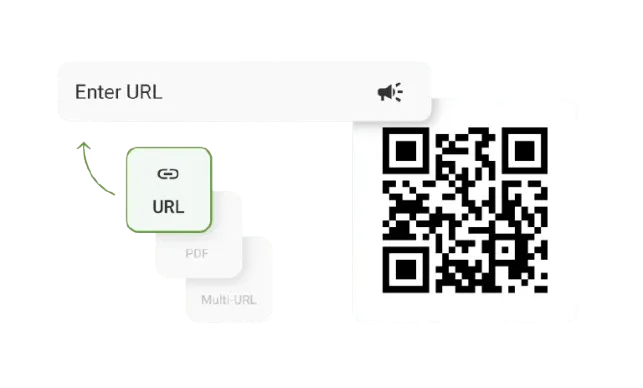
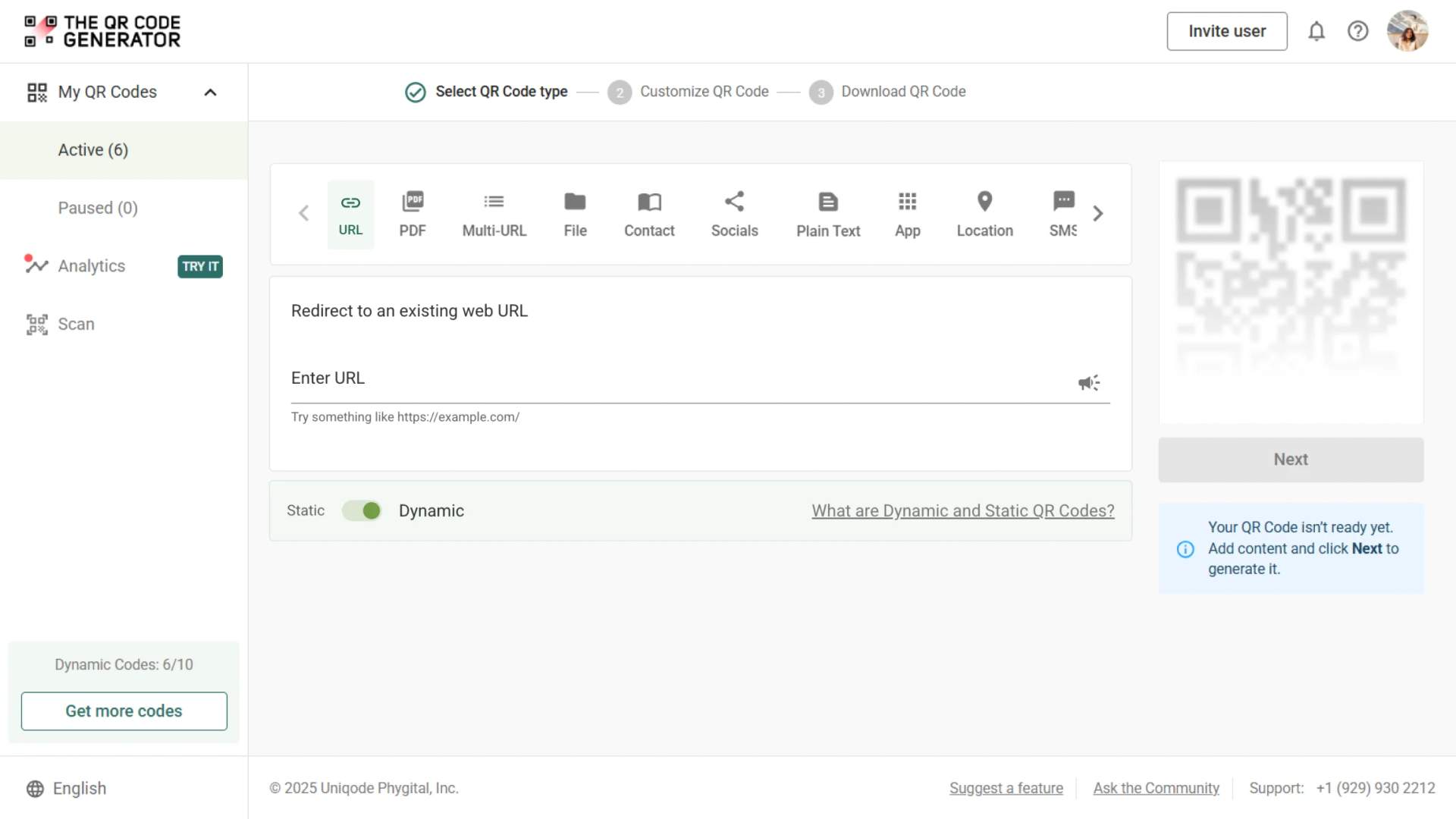
Redirect to an existing web URL
To enable tracking,


TQRCG is trusted by 30,000+ businesses globally!


How QR Codes on books help publishers improve reader engagement and sales

Increase book sales instantly
Use QR Codes at the end of the book to guide readers to purchase the next book in the series or pre-order links with bonus content. Use it to turn curious browsers into paying customers in seconds.

Enhance reader experience
Give readers access to bonus content, such as extra chapters, Easter eggs about future books by the author, character profiles, and character illustrations, without adding pages to the book.

Track real-world engagement
See exactly which books, campaigns, and store locations drive the most scans. Trackable QR Codes reveal analytics about reader behavior, device types, and peak engagement times.

Reduce printing and update costs
Share worksheets, study guides, updated information, and new resources without creating new print editions. Use a dynamic QR Code to update links anytime without replacing the QR Code.
Improve accessibility for all readers
Make your books inclusive and engaging for diverse audiences with QR Codes. Add audio narration, multiple language translations, large-print PDFs, and mobile-friendly resources in your books.

Build author brand and reader community
Helping authors build loyal and engaged communities via QR Codes. Connect readers to their social media profiles, upcoming events, book clubs, and email newsletters sign-ups.
What are the most effective QR Code placements for book publishers?

1. QR Codes on book covers
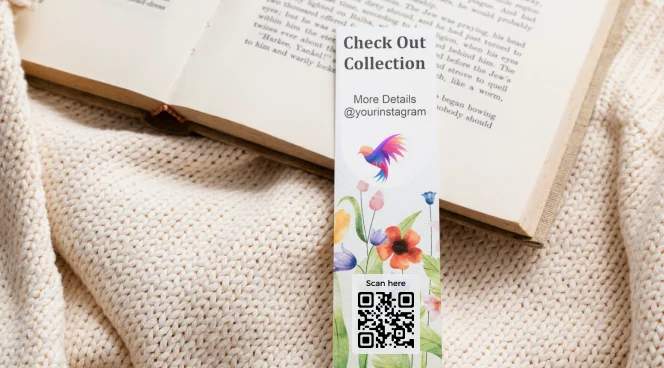
Place a QR Code on the back cover or inside flap to help readers access bonus chapters, watch author interviews, pre-order other books, or join the author’s mailing list. Publishers can use QR Codes on book covers to capture reader interest at the very beginning.




What makes The QR Codes Generator (TQRCG) ideal for publishing teams?

Deploy QR Codes that can be updated anytime
With The QR Code Generator (TQRCG), your QR Codes last as long as your books do. Dynamic QR Codes from TQRCG can be edited at any time without reprinting a single book. Change where your QR Code points, update promotional links, and refresh bonus content at any time.

Get deeper reader insights
The QR Code Generator's analytics dashboard shows you exactly how many people scanned your QR Codes, where they scanned from, what devices they used, and when engagement peaked. This data proves ROI and helps you make informed decisions for your future marketing efforts.

Support multiple content formats
Readers enjoy a seamless experience regardless of what content you're sharing. With a single QR Code, you can deliver bonus chapters, videos, promotional landing pages, or author details, all optimized for mobile viewing.

Always get high-quality print output
Get high-resolution prints in your desired size that print cleanly on all your materials, whether print or digital. TQRCG offers multiple file formats, customizable colors, and frame options that smoothly integrate with your book design.
Frequently asked questions
Create a free QR Code for your book today
Want to connect print books with digital experiences?
Use The QR Code Generator to create, customize, and track QR Codes for book publishers — for bonus content, promotions, and reader engagement.